
Air sealing services in Hollister CA - a house that holds its heat and cool air
Drafty rooms, a hot upstairs or a power bill that keeps climbing? We find the gaps in your attic and crawl space and close them.
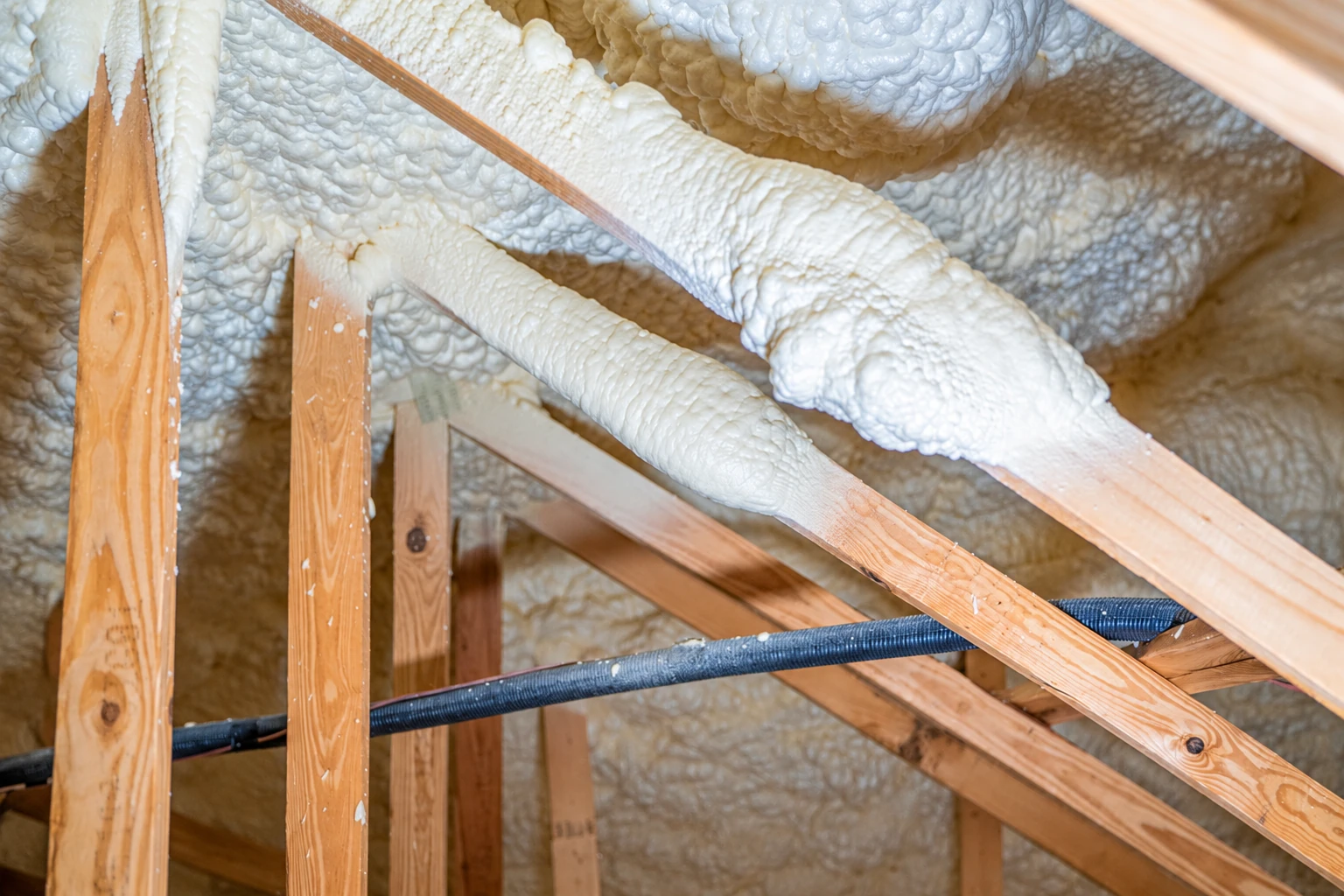
I look at your attic myself
I come out to look at the job myself, so the person pricing it has actually been up in your attic. Our crew does the sealing, and I check their work before we call it done.
Nine years finding gaps first
We've been in business since 2017, and I crawled attics on other people's crews long before that. We're best known for the unglamorous part, finding the gaps and the problems before any insulation goes in.
Licensed, insured and honest about the job
We're fully licensed and insured. If sealing won't fix what's bothering you, I'll say so, because I'd rather tell you a job isn't worth doing than sell you one. Call (831) 245-4007 to set up a visit.
Air sealing services in Hollister
Air sealing services close the gaps that let air leak in and out of your house, mostly with caulk and foam. In Hollister, it helps if you've got drafty rooms, a hot upstairs, dust in the bedrooms or a power bill that doesn't make sense.
The price moves with how much of your attic and crawl space we can reach, how many inches of old insulation are already up there, and whether anything has to be fixed before we seal. House age matters too, because older houses usually leak in more places. The schedule turns on that same list, plus a permit if the job needs one. I'll know which of those apply once I've been up there.
Permit rules depend on where your house sits, so I check with the city or county building office for each address before we start. For the county, that's San Benito County's building division, which reviews plans and issues building permits. Depending on the work, California's energy commission says a HERS test, an energy check by an outside rater, may be required, and a properly permitted job is what sets that testing off.
Air sealing and the insulation work around it
We look in the attic and below
You can feel a draft at the front door, but in most houses the biggest leaks hide in the attic and down below, so that's where we look. Up top it's the gaps around can lights, pipes, wires and the attic hatch. Down below it's the same kind of holes in the floor over a crawl space or basement, and if that space stays cold, basement insulation is the next step. Sealing only around windows and doors can leave the worst leaks wide open.
Problems get fixed before we seal
Sealing over a problem just hides it, and attics are good enough at hiding things already. Wet insulation, moldy or rotted rafters, and kitchen, bath or dryer vents blowing damp air into the attic need fixing first. ENERGY STAR recommends a pro handle those before sealing, and I agree. If your house was built before 1930, we look for knob and tube wiring, because it can be a fire hazard where it touches insulation. We also watch the eave vents, because a buried vent stops the attic from breathing.
Sealing first, then foam or fill
Once the gaps are closed, the question is what goes on top. Spray foam costs more and seals air while it insulates, so foam like closed-cell foam insulation, a dense foam that also blocks moisture, earns its price when your ductwork runs through the attic. For most houses, I'd seal the gaps and top up the loose fill instead, because it usually gets you there for less. Either way, we keep the edges as deep as the middle, since that's where coverage usually runs thin.
Get a free on-site air sealing estimate
We reply within one business day, and then I come out to look at your attic and crawl space myself. The estimate is free and done on site, with no obligation.
(831) 245-4007How an air sealing job goes
You call, I come out
Call (831) 245-4007 or send the form. We get back to you, and I come out to look at the attic, crawl space and walls myself. We're based in Hollister and work the cities around it, so just ask if you're not sure.
Written estimate and permit
You get a written estimate that lists what needs fixing first and what we'd do, so you can pick what makes sense. If the job calls for a permit, we sort it out with the right office before our crew starts.
We seal, then walk through
Our crew does the sealing, and you should expect the old insulation to get shifted, because we have to reach the attic floor under it. Then I check the work, and we walk through it with you.
Air sealing questions from Hollister homeowners
Can I seal the air leaks in my house myself?
You can handle the obvious ones, like gaps around door frames and where pipes, vents and wires pass through outside walls. That approach won't work on the small, hard-to-find leaks, though, especially in an attic under layers of insulation. Those are the leaks I spend most of my time hunting.
Should I seal the attic before adding new insulation?
Yes, seal first. Once new insulation covers an unsealed ceiling, the only way to reach those gaps is to take the insulation out again. If you're planning to add insulation, tell me at the estimate, so we can do the sealing and the top-up in the right order.
How much does air sealing cost in Hollister?
Across the US, air sealing alone usually costs about $500 to $1,500 per job, not counting new insulation. That's a national range, not our price, and your house could come in under or over it depending on how much needs sealing and what has to be fixed first. Satisfaction guaranteed on every job.
Is air sealing safe with a gas furnace or water heater?
It can be, as long as the appliance is tested before and after we seal. Sealing can sometimes make a gas or oil appliance that vents on its own back-draft fumes into the house, so ENERGY STAR suggests those tests, and we'll get yours checked both times. Have a list of your gas and oil appliances ready when you call.