
Spray foam insulation in Hollister CA - air leaks sealed while it insulates
Hot upstairs, a drafty room over the garage or a power bill that keeps climbing? Foam fills the gaps and slows the heat.
I look at every job myself
I come out and look before we quote anything, and I'm the one hunting for the gaps and problems that need fixing before foam goes in. Our crew does the install, and I check it before we call it done.
Running our own crew since 2017
I worked summers on an insulation crew all through school and kept at it on other people's crews before starting this business in 2017. Nine years in, I'd still rather tell you a job isn't worth doing than sell you one.
Fully licensed and insured for your job
We're fully licensed and insured, which is the first thing to ask anyone who wants to climb into your attic with a spray rig. Our promise is satisfaction guaranteed on every job. Call (831) 245-4007 or use our estimate form to set up a visit.
Spray foam insulation for Hollister homes
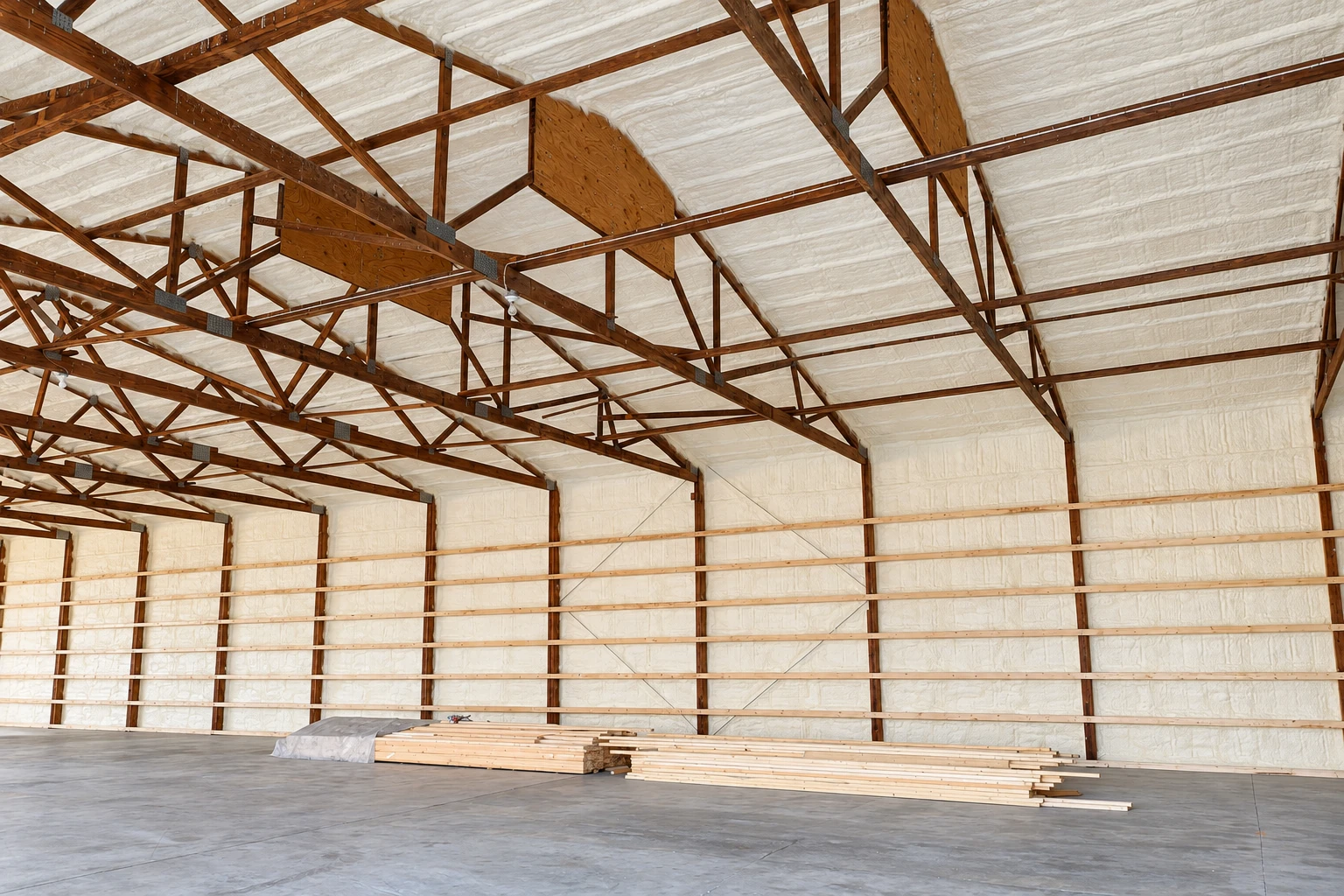
Spray foam insulation in Hollister, CA is foam our crew sprays into attics, walls and floors, where it expands into the gaps and insulates in the same layer. It helps when a room stays hot upstairs, the floors run cold or the drafts won't quit.
Most of the time the real problem is air, not a lack of insulation. Gaps around can lights, pipes and the attic hatch let it through, and fresh material piled on top just fights the draft. Some attics have more mouse droppings than insulation, and covering that only seals the mess in. Foam seals the gaps and insulates in one pass, which is why people ask for it, but it isn't the only fix and I'll say so when it isn't.
What moves the price is how much area we're spraying, which spaces they are, how easy they are to reach, and whether old insulation has to come out first because it's wet or full of droppings. The schedule turns on that cleanup, any wiring that needs fixing before foam covers it, and the time you'll spend out of the house. Your written estimate lists what needs fixing first and what we'd do.
Spray foam, air sealing and the prep around it
When foam is worth the money
Foam costs more than other insulation, and what you get for that is air sealing and insulation in one layer. Plenty of attics do fine with the gaps sealed and the blown-in insulation, loose fill blown through a hose, topped up, and I'll tell you when that's your house. Foam usually wins when the ductwork lives up there, because spraying the underside of the roof keeps the ducts on the heated and cooled side of the house. Our attic insulation work covers the loose-fill route.
Planning your time out of the house
With spray foam you're out of the house while it goes in and cures, so we plan that with you up front instead of the week before. We work out the day around where you'll stay, what happens with the kids and pets, and when you're coming back. We also talk through any asthma or allergy concerns before you pick foam, because for some families that settles the question, and I'd rather you hear it from me early.
Clearing and checking before it's covered
Before foam goes on, we pull out old insulation that's soaked or dirty and look for wiring or anything else that shouldn't end up buried, since foam is hard to get past once it's on. Then our crew sprays, and I check the edges and corners, where coverage tends to run thin. The state energy code applies to homes in Hollister, and the state runs a program that evaluates homes for poor installation, insulation included, which is one more reason we don't rush the edges.
Get a free on-site spray foam estimate
Tell us which spaces bother you and we'll reply within one business day to set up a visit. The on-site estimate is free and comes with no obligation.
(831) 245-4007How a spray foam job goes
You call, I come look
Call (831) 245-4007 or send the form and we'll get back to you. Then I come out and look at the attic, crawl space or walls myself, because the gaps and old problems up there decide what the job really is.
Written estimate, then the plan
You get a written estimate that lists what needs fixing first and what we'd do. We sort out any permit with the right office before we start, and we set the day around when you'll be out of the house.
Install, check and walk-through
Our crew sprays the foam while you're away, and I check the work before we call it done. Once the house is ready for you, we walk through it together so you can see what went where.
Spray foam questions from Hollister homeowners
Should I choose open-cell or closed-cell spray foam in Hollister?
Closed-cell suits spaces that need the most insulating power or a moisture block, and open-cell suits spaces where you want air sealed but the framing still able to dry. Closed-cell is dense and, at typical thicknesses, stops water vapor, while open-cell blocks air, lets vapor through and flexes more. I'll tell you which fits each space.
How long do we have to stay out of the house after spray foam?
Safety guidance says to be out of the house for at least 24 hours, and the re-entry time, when you can come back, waits until the foam has cured and the house is aired out and cleaned. That goes for kids and pets too. We plan the stay with you ahead of time, and you check with us before anyone heads back in.
Who is allowed to install spray foam insulation in California?
California has a license classification for insulation contractors, and the state licensing board says it covers installing any insulating material for temperature or sound control. The spray rig itself, a two-component high-pressure system, is meant for trained applicators only, so it's fair to ask who on the crew is trained on it.
Can spray foam go in my attic or under the floor in Hollister?
Yes, both. A 2009 federal guide says closed-cell foam works for unvented attics and cathedral ceilings, the sloped ones that follow the roof, because its R-value per inch, how well each inch slows heat, gets there where room is tight. Floors over an unheated crawl space can take spray foam, batts or a mix of the two.