
We're an insulation contractor based in Hollister, CA, and Watsonville is a short drive over. The calls here sound like the ones at home: drafty rooms, dusty bedrooms, a cold room over the garage and a power bill that won't come down. The houses run from the older Victorians downtown to newer neighborhoods farther out, and some business owners call about their shops and offices too. We do the same work over in Prunedale and Castroville.
In the older houses, the attic usually holds whatever went in decades ago. It's flattened and dusty, sometimes it's a mouse hotel, and nobody sealed the gaps underneath. That shapes the job more than the square footage does.
What moves the price and the schedule
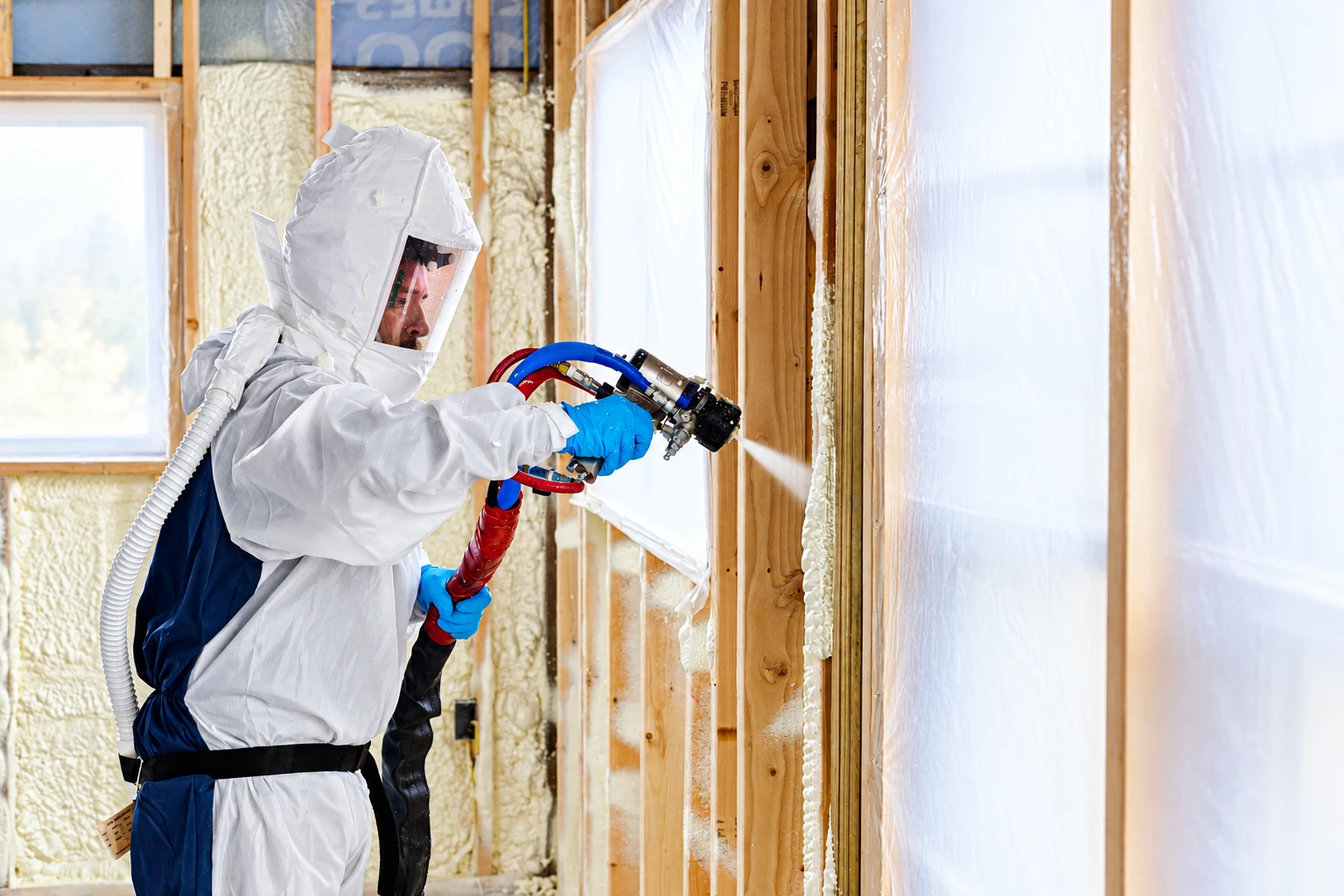
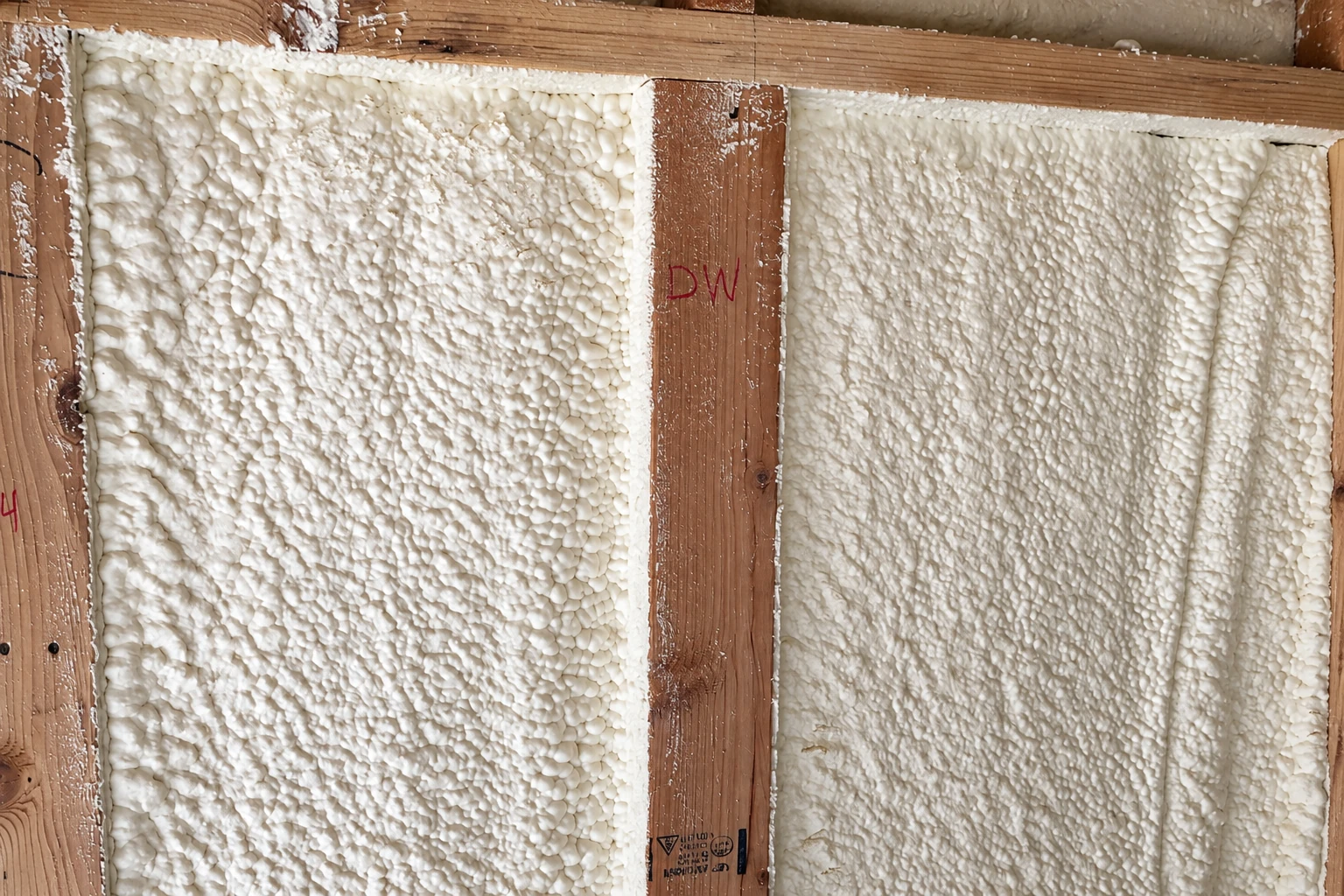
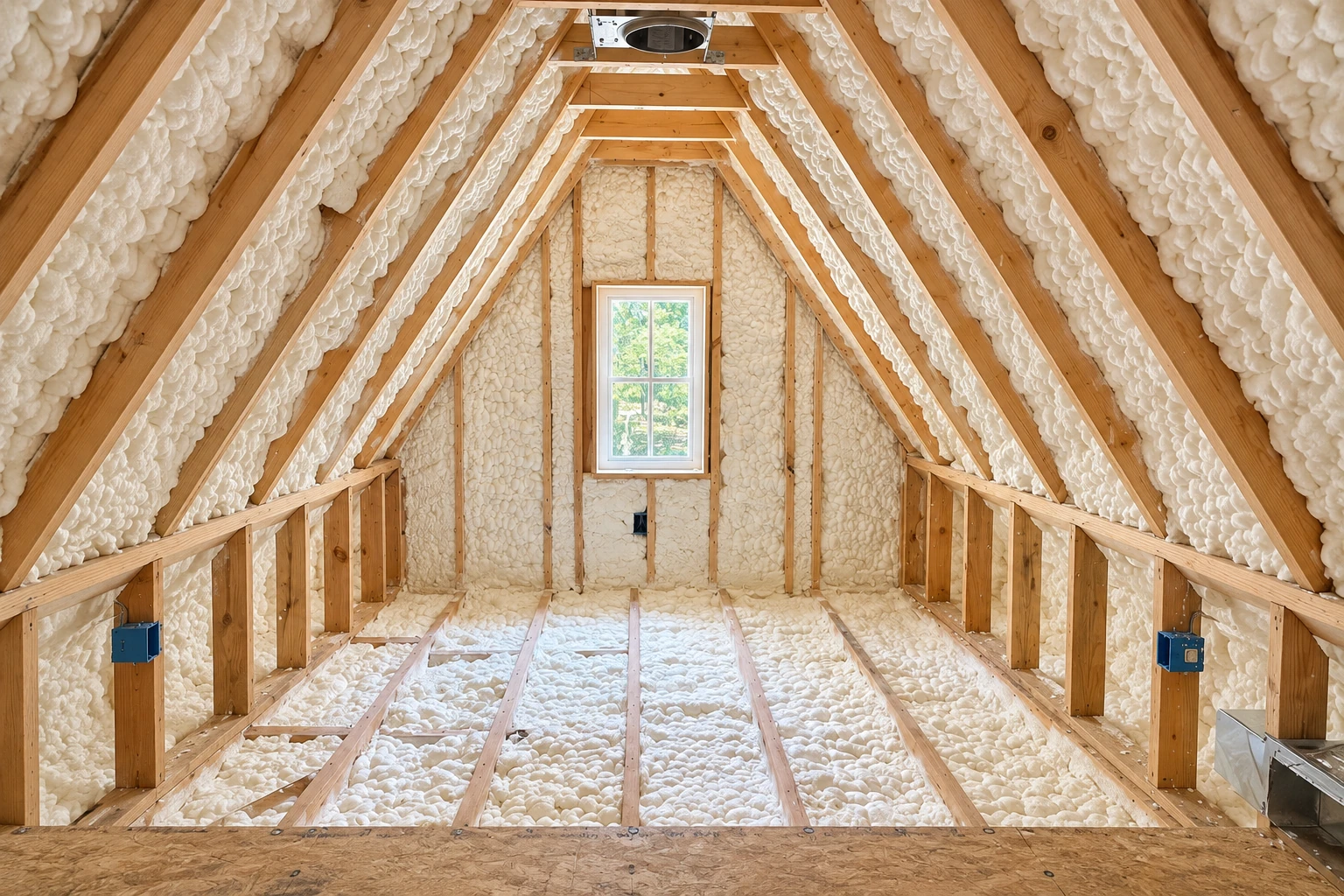
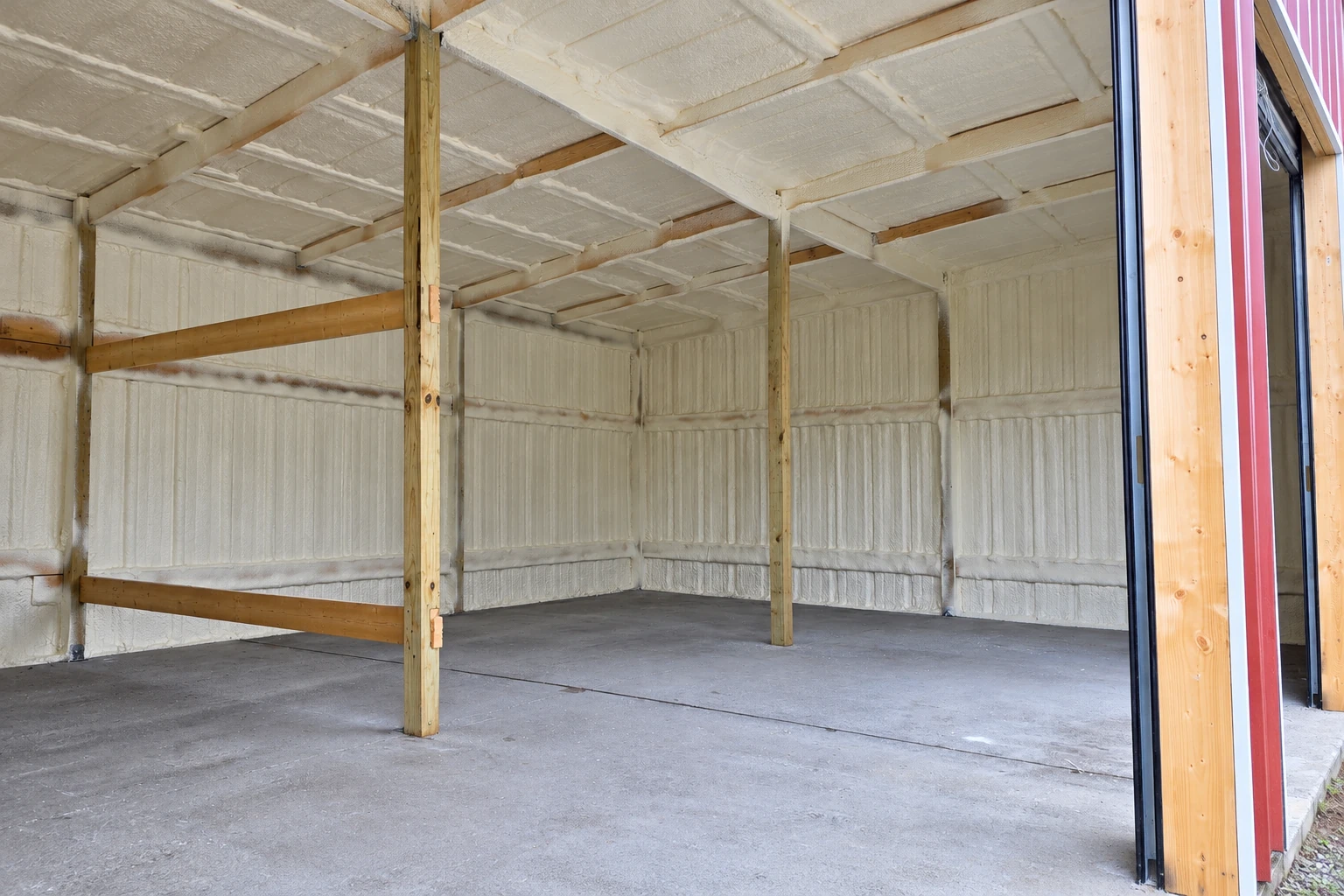
The price turns mostly on what's already up there and how hard it is to reach. A low attic with a small hatch is slower work than one you can stand in, and old insulation that's wet or full of droppings has to come out before anything new goes in. Spray foam costs more than blown-in, which is loose fill blown through a hose, and more gaps to seal means more work. The schedule turns on that removal and on any permit, since some simple jobs get a permit on the first trip to the city counter but most need more time for plan review. You get the figure for your house from my on-site estimate.
Old insulation, rodents and termite damage
In Watsonville's older houses, the attic insulation has usually been up there a long time. If a roof leak soaked it or rodents moved in, new material laid on top just buries the problem, so we do the insulation removal first and look at the bare framing. That look matters here, because the city rates the risk of termite damage to homes as very high. If I find damaged wood, I'll show you before anything covers it. You'll want it dealt with first, since insulation over bad wood doesn't help anybody.
Seal the gaps before adding more
A drafty room is usually leaking air more than it's short on insulation. Air sealing means closing the gaps around can lights, pipes, wires and the attic hatch before we insulate, because insulation over a draft just fights it all winter. We keep the eave vents clear so the attic still breathes, and we fill the edges as deep as the middle, since that's where coverage usually runs thin. Spray foam seals and insulates in one pass, but it costs more. For most houses I'd seal the gaps and top up the loose fill, unless your ductwork runs through the attic. Then foam earns its price.