
Morgan Hill sits up the valley from Gilroy, between the Santa Cruz Mountains and the Diablo Range, and we come up from Hollister for it. The calls we get here are the same ones we get in Castroville and the other cities we work in: a drafty room, a hot bedroom upstairs, a power bill that keeps climbing.
Most of the attics we open already have insulation in them. What matters is how much is left, what shape it's in and what's been done up there since it went in. Somebody adds can lights, vents a bathroom fan or runs a cable, and each job leaves a hole in the ceiling with the old fill shoved aside. Somebody has always been up there before us, and they rarely tidy up. That's why I start every Morgan Hill job by looking for gaps, not by measuring for new insulation.
What we look for before adding anything
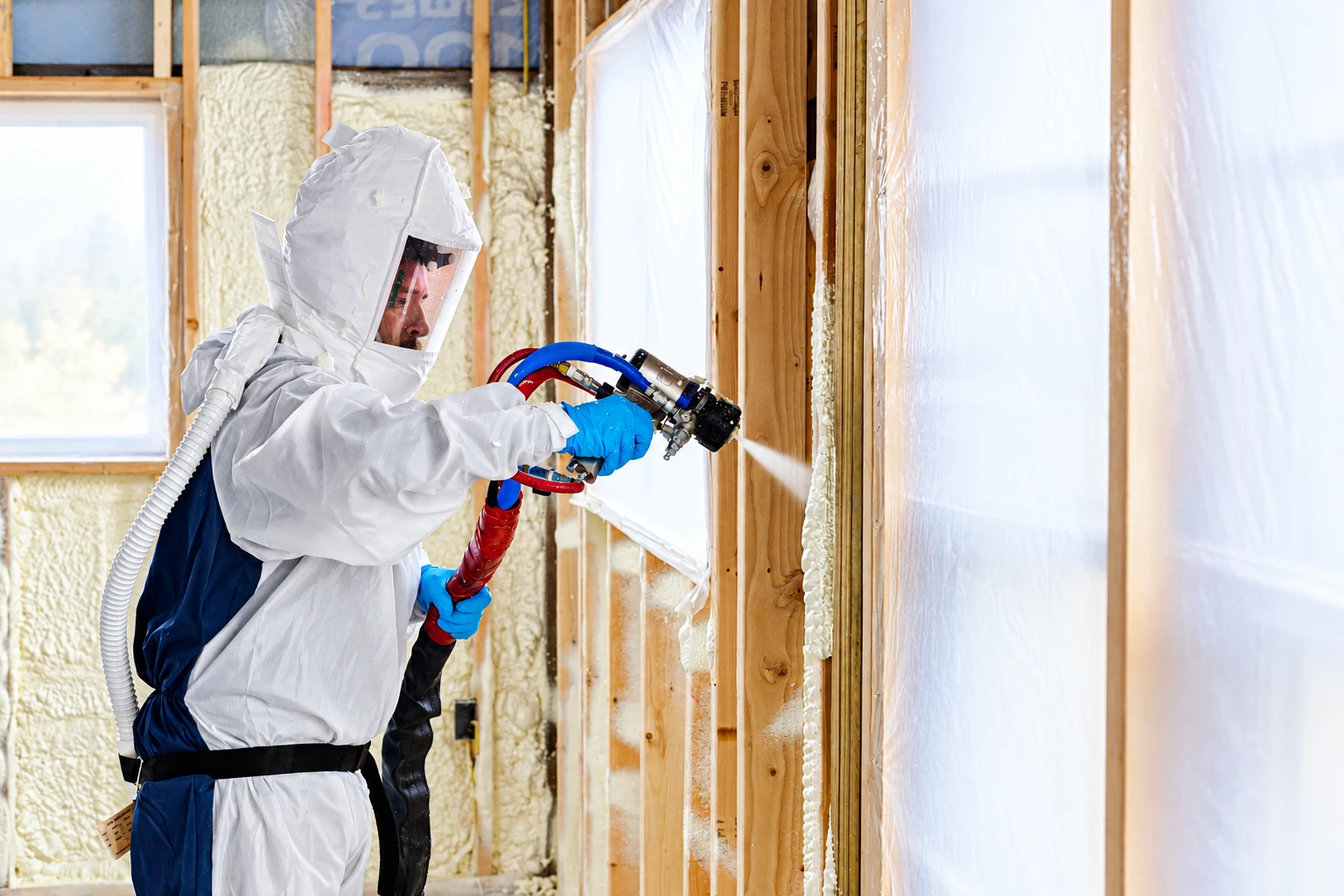
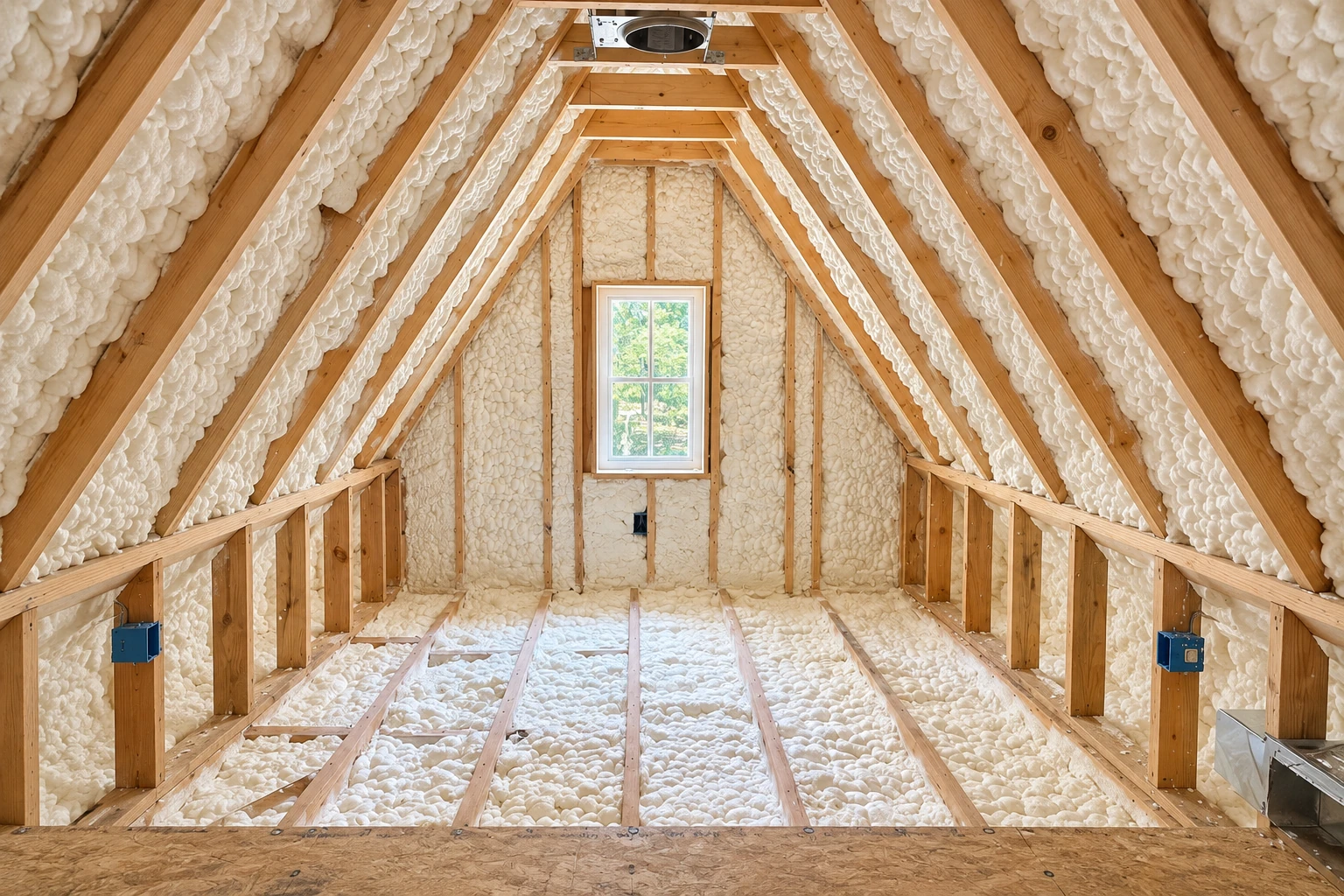
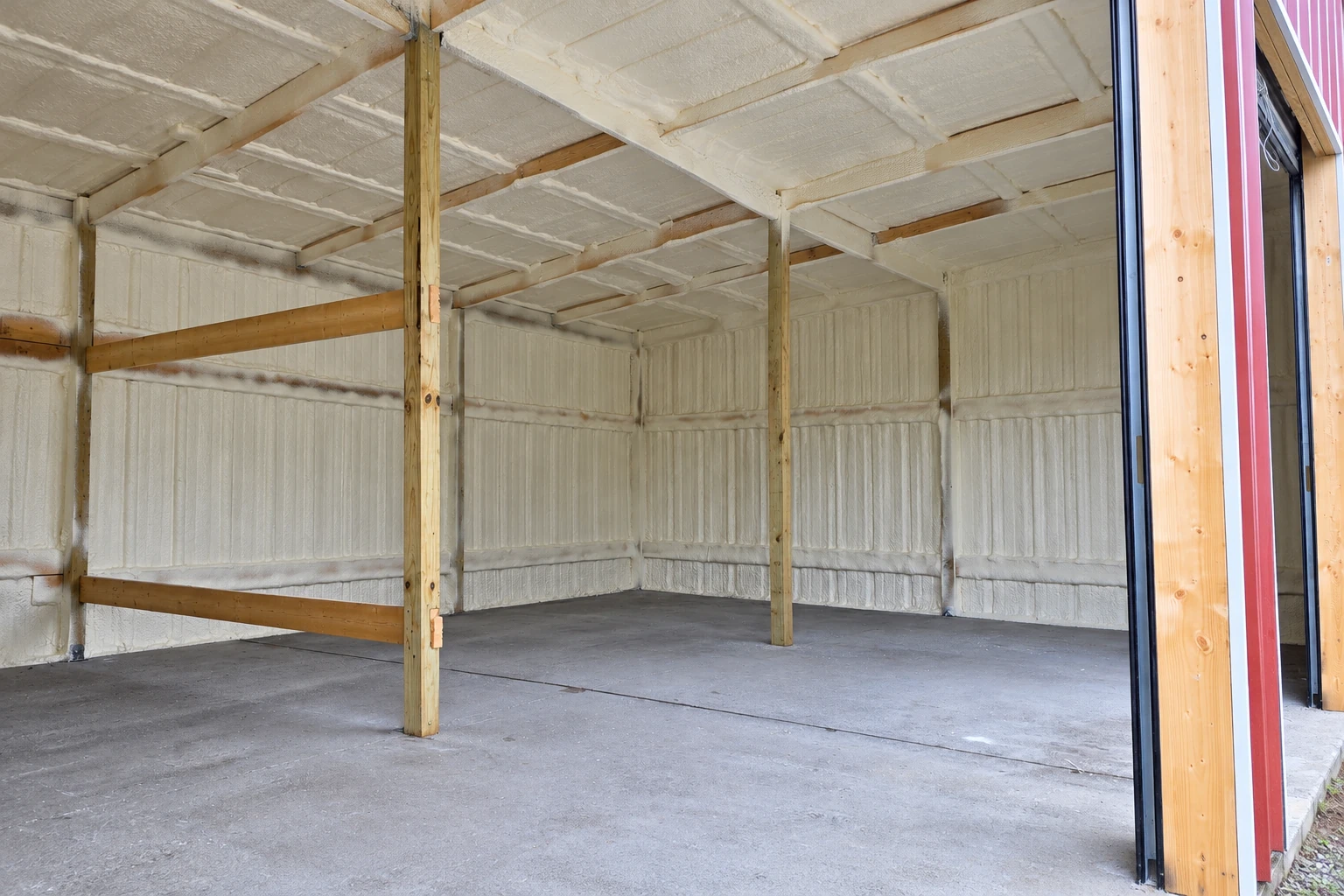
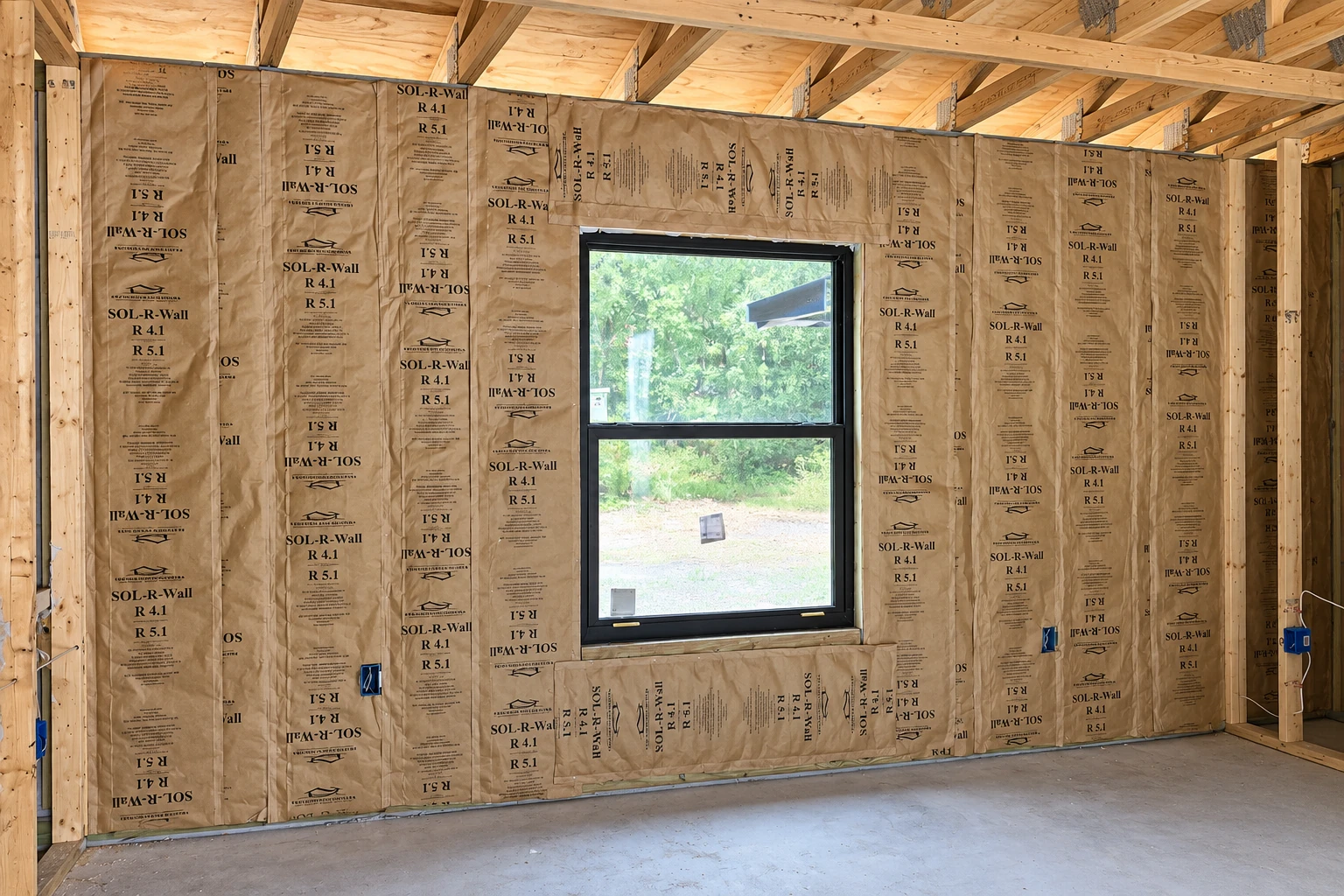
Air sealing comes first, which just means closing the gaps, because insulation slows heat but won't stop a draft. We seal around can lights, pipes, wires and the attic hatch, then make sure the eave vents along the edges stay clear so the attic keeps breathing. Bury those vents and moisture starts showing up in the framing. We also watch the edges, where fill tends to go thin while the middle gets piled high, which is backward. If the room over the garage is the hot one, the walls and floor are usually part of the problem, and that's where our wall insulation work comes in.
What moves the price and the schedule
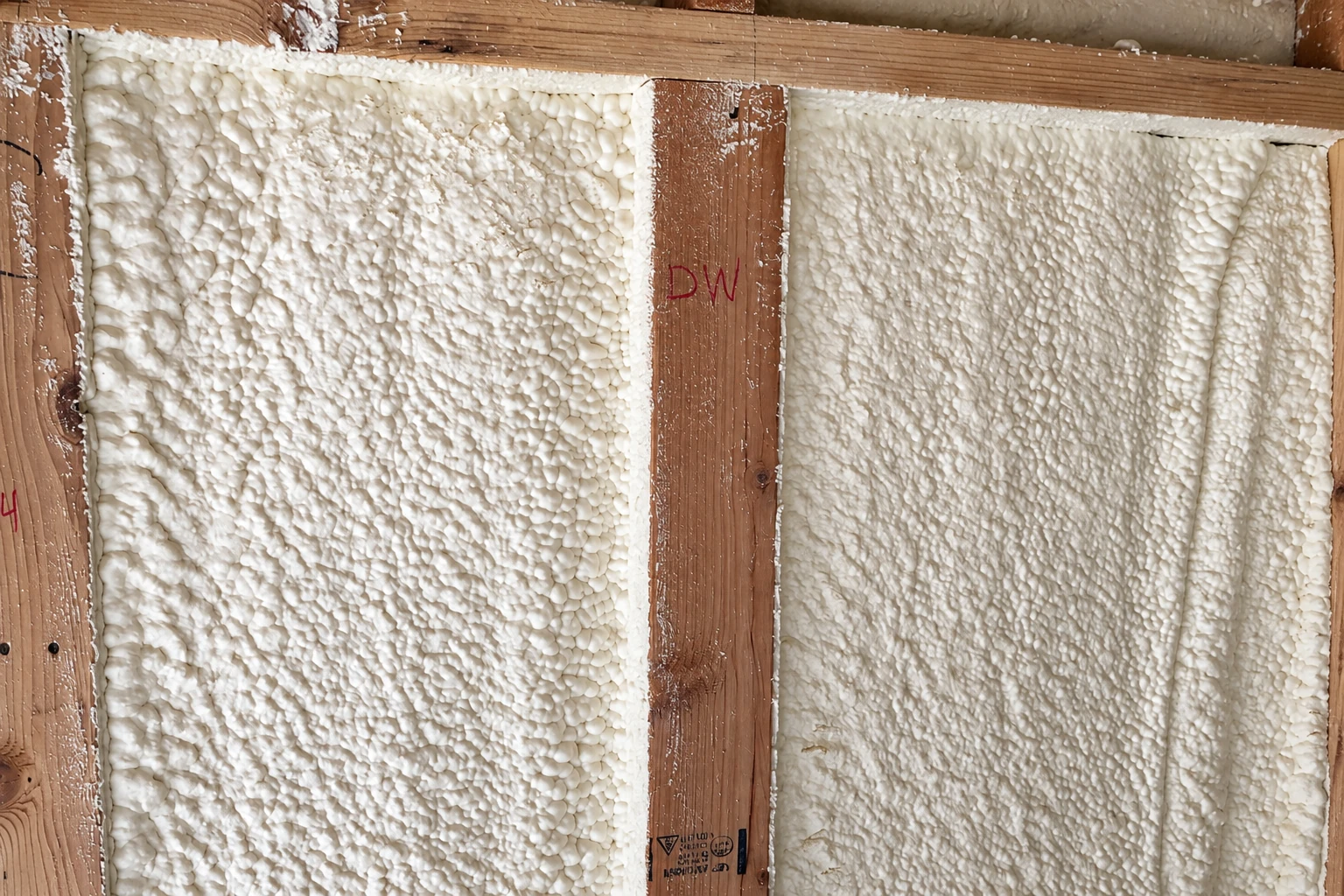
The price turns on the size of the attic, how many inches are already up there, and whether the old material can stay or has to come out first. Removal adds the most work and time, because it's slow, dusty and has to be bagged and hauled away. Foam costs more than loose fill. Ductwork running through the attic, a tight hatch or a low roof all slow the crew down, and so does a crawl space we have to reach from outside. I'll give you your own number and a plan once I've been up there and seen what you've got.
Getting your house ready for the crew
Most of the prep is clearing a path. We need to reach the attic hatch or pull-down stairs, so a closet shelf or a car in the garage may have to move for the day. We lay covers from the door to the hatch, because blown-in work stirs up dust and nobody wants it in the hallway. Boxes and old holiday decorations stored in the attic usually need to come down before we start, so we can see the ceiling and seal it properly. Tell me about pets and who's home during the day when I come out, and we'll plan the work around them.