
Castroville sits between Salinas and the coast, with Tembladero Slough along its southwest edge. The calls we get here are the ones we get everywhere, a drafty living room, a cold floor over the crawl space, a power bill that won't come down. The houses run from older places on raised floors to newer ones where the attic never got much to begin with. We drive over from Hollister for these jobs, the same way we head out to Interlaken and Salinas.
Most of the rain here falls between October and April, and the summers are close to dry. A crawl space can sit damp for half the year, so before we insulate a floor, I look at the dirt and the vents under the house, because insulation laid over wet ground soaks up water like a sponge.
What sets the price and the schedule
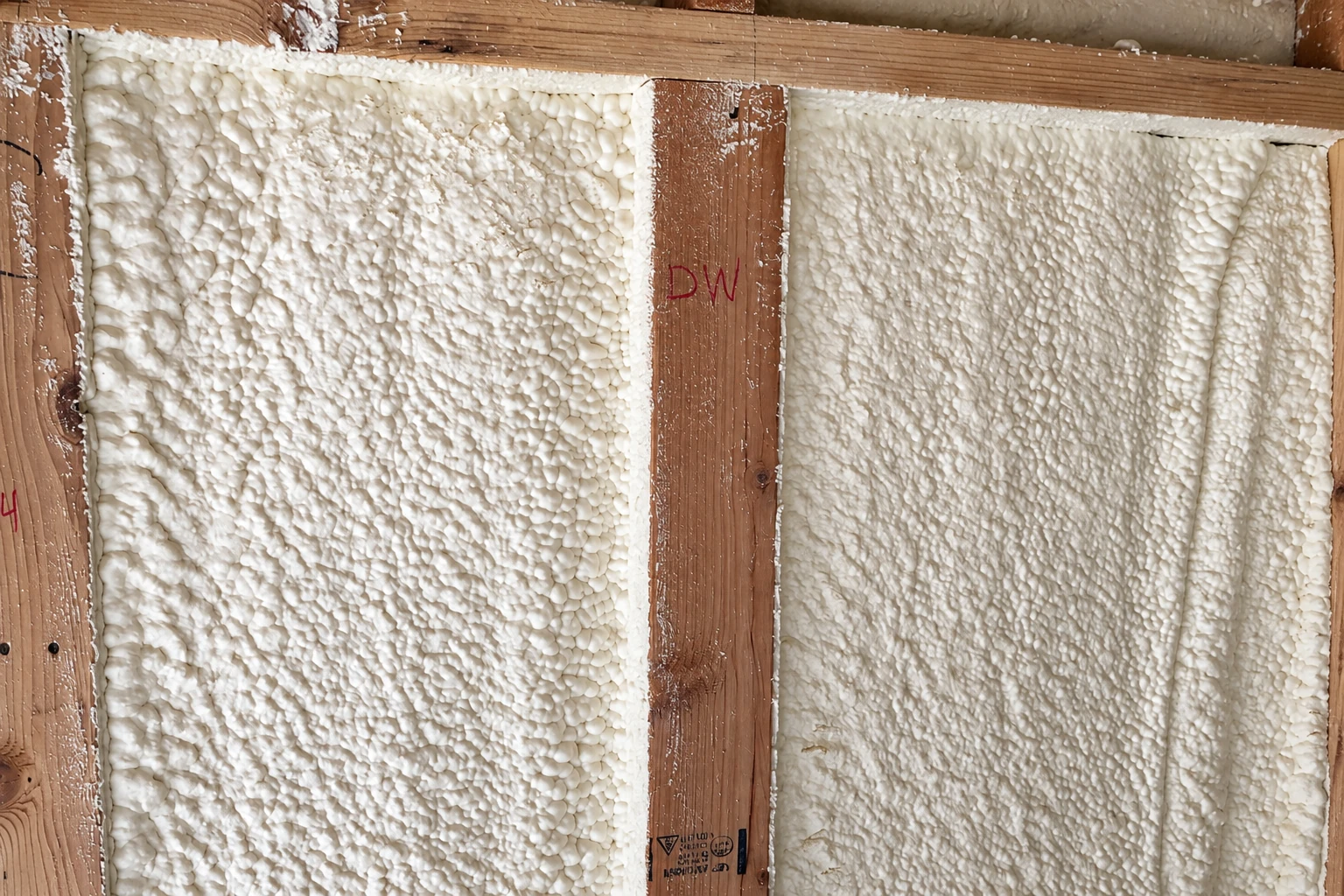
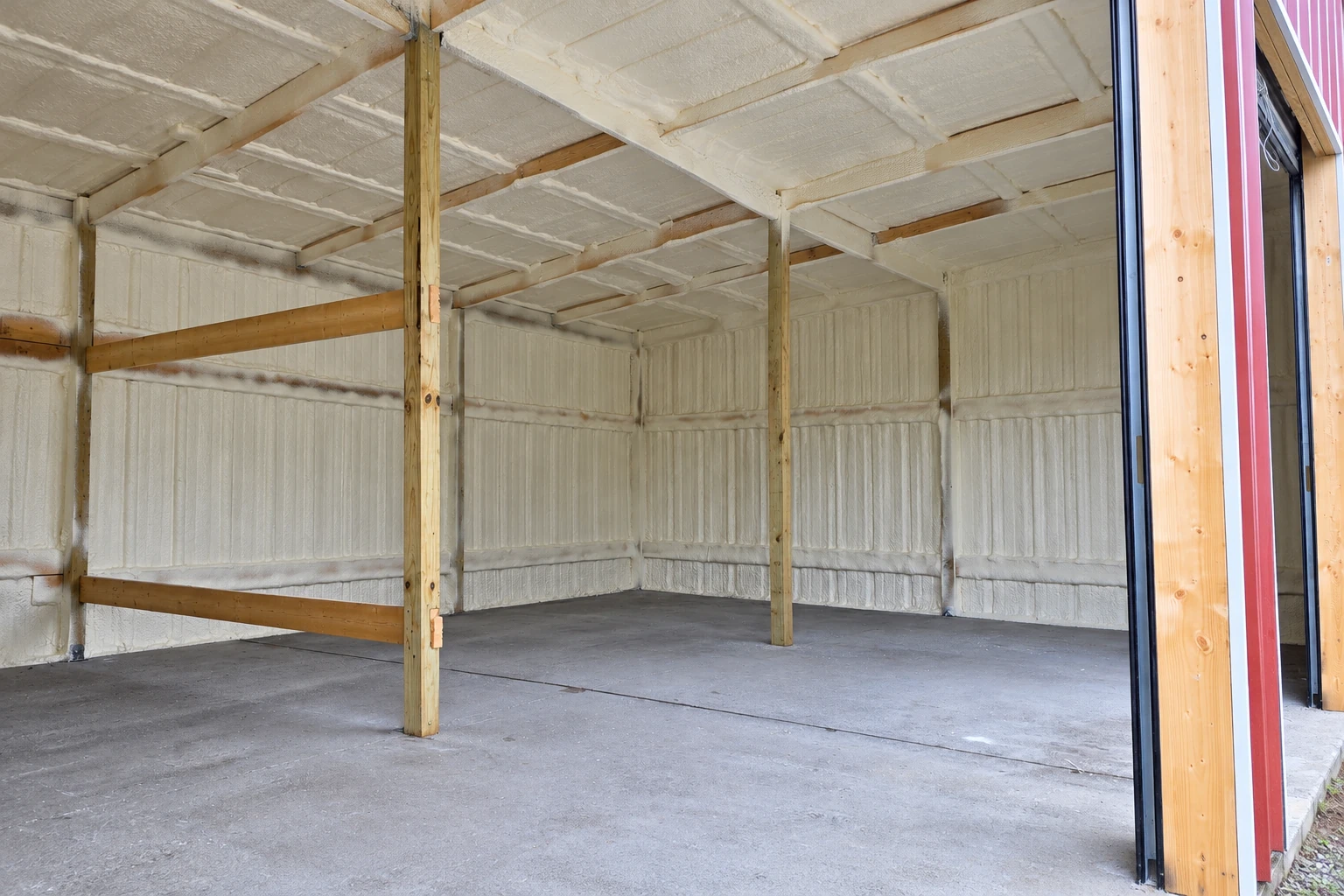
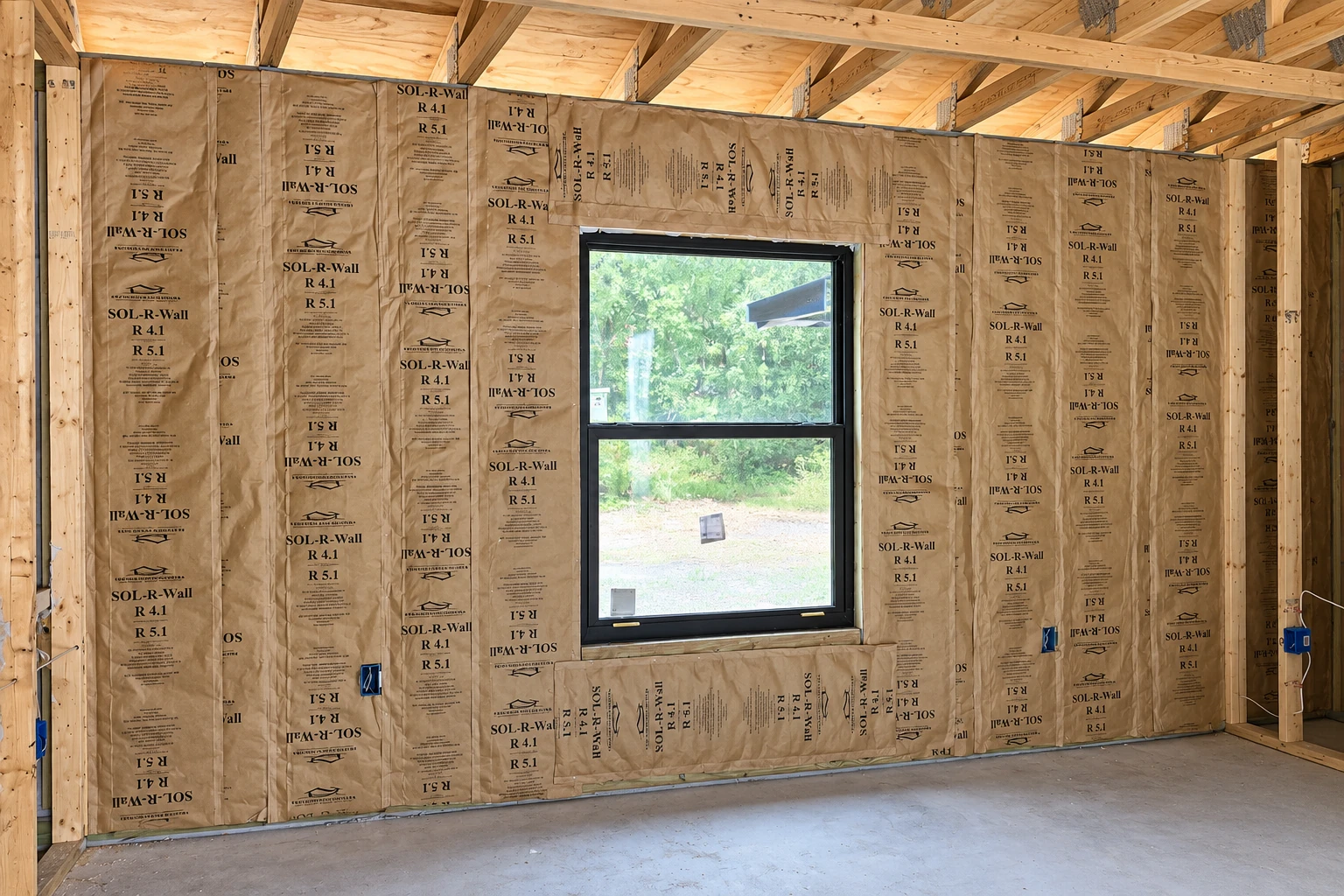
The price comes down to how much attic or crawl space there is, how easy it is to reach, how many inches are already up there, and whether the old stuff has to come out first. Foam costs more than loose fill, so the material you pick moves it too. The schedule turns on the same things, plus the re-entry time on a foam job, which is the wait before you and the pets can come back inside. You get your own figure after I've been up in your attic, because a number from the driveway is a guess.
Why we seal the gaps first
Most drafty rooms and hot upstairs bedrooms we look at are leaking air, not just short on insulation. Air coming up around can lights, pipes, wiring holes and the attic hatch slips right past whatever's lying on top, so piling on more doesn't stop the draft. Our air sealing services close those gaps before any insulation goes in. While I'm up there, I also look for anything that shouldn't get buried, like old wiring that isn't safe. It's the unglamorous part of the job, and it's the part we're known for.
What happens to the old insulation
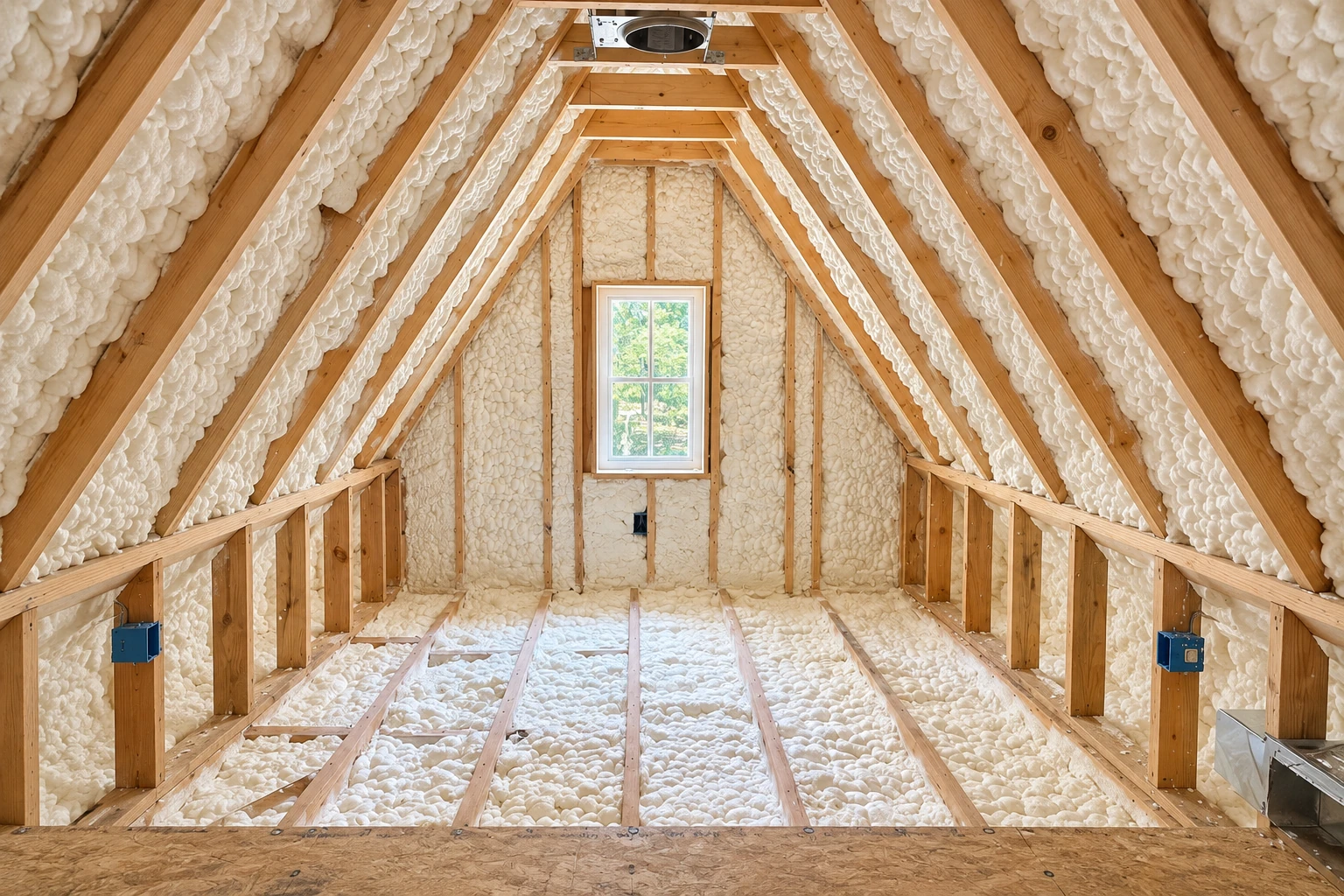
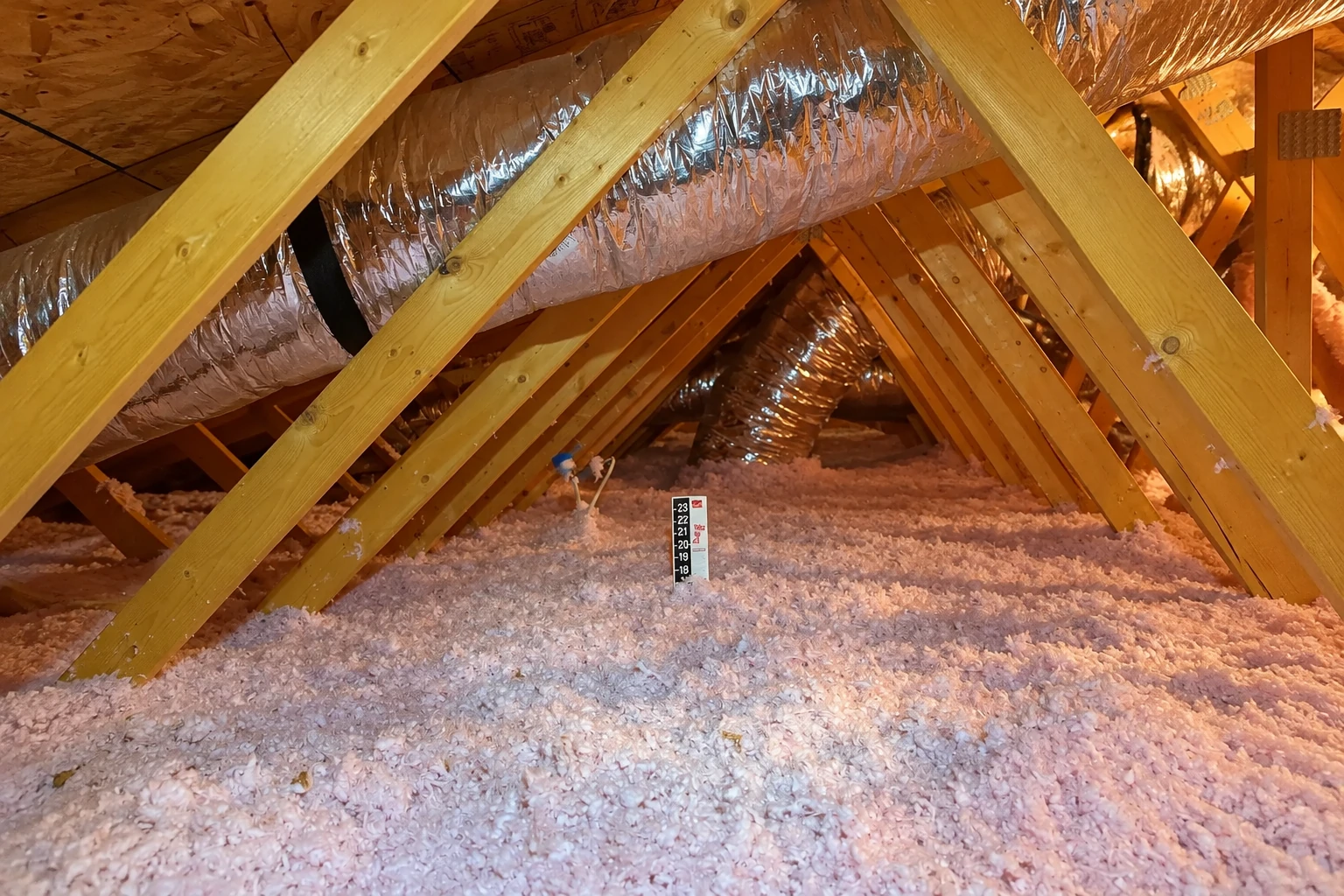
If what's up there is dry and clean, we usually leave it and add to it. If it's been soaked by a roof leak or rats have been living in it, it comes out, because new insulation on top just buries the problem. We keep the eave vents along the roof edge clear so the attic can still breathe, since a buried vent traps moisture that shows up later in the framing. We also build the edges up as deep as the middle. Plenty of attics we open are piled high in the center and bare at the eaves, which is about as useful as a coat with no sleeves.