
Most of our Hollister calls start with a hot upstairs by late afternoon, a cold room over the garage, or a power bill that climbed with nothing else changed. We're based here, and the houses run from older places closer to downtown, often with crawl spaces and not much insulation anywhere, to newer subdivisions where the attic has insulation but nobody sealed the hatch or the can lights. Some business owners call us about their buildings too, and the same gaps show up there.
We do the same work in Gilroy and San Martin, but Hollister houses have their own habits. The older ones usually need the most checking before anything new goes in, and the newer ones mostly need their gaps closed, so what I find on the first visit decides the job.
Sealing the gaps before we insulate
Gaps come first, and that's the part we're known for. Before our crew adds anything, I look for the openings around can lights, plumbing pipes and the attic hatch, because warm air pushes right past insulation through those holes. We close them first, which is air sealing, and then we insulate. We also keep the eave vents at the edges of the attic clear, since a buried vent stops the attic from breathing and moisture ends up in the framing. Coverage should run full right out to the edges, where it's usually thinnest, and I check that before we call the job done.
Why we check the wood first here
The city has found that this region sits in the "very high" zone on the national termite map, and that changes how I start a job. I look at the wood before we cover it. In a crawl space that's the beams and boards your floor sits on, and in the attic it's the framing near the eaves. Foam or insulation over damaged wood just hides the damage, and I'd rather find it with a flashlight now than have you find it later with a much bigger bill. If I see damage or mud tubes, I tell you, and that gets dealt with before we insulate.
What moves the price and the schedule
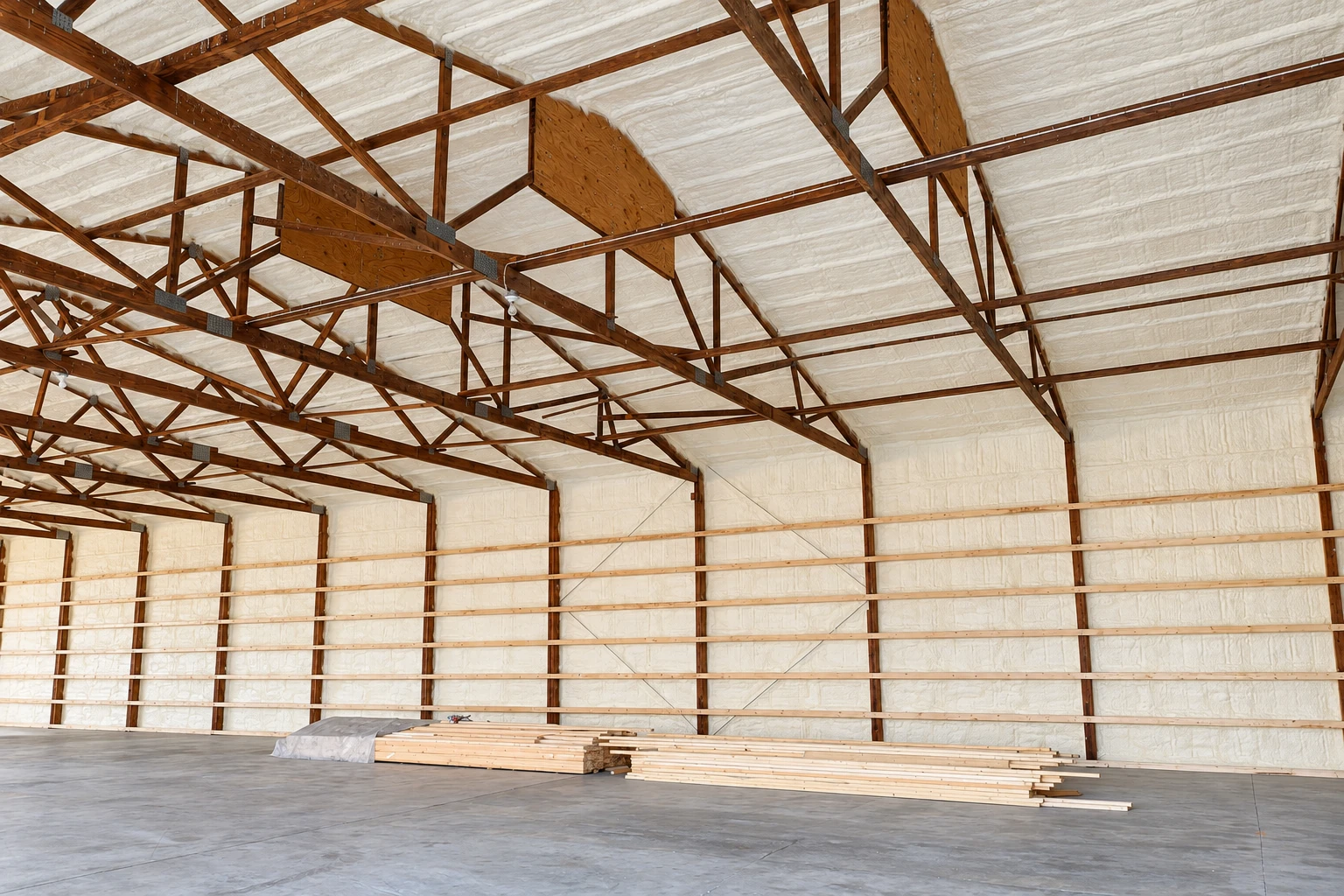
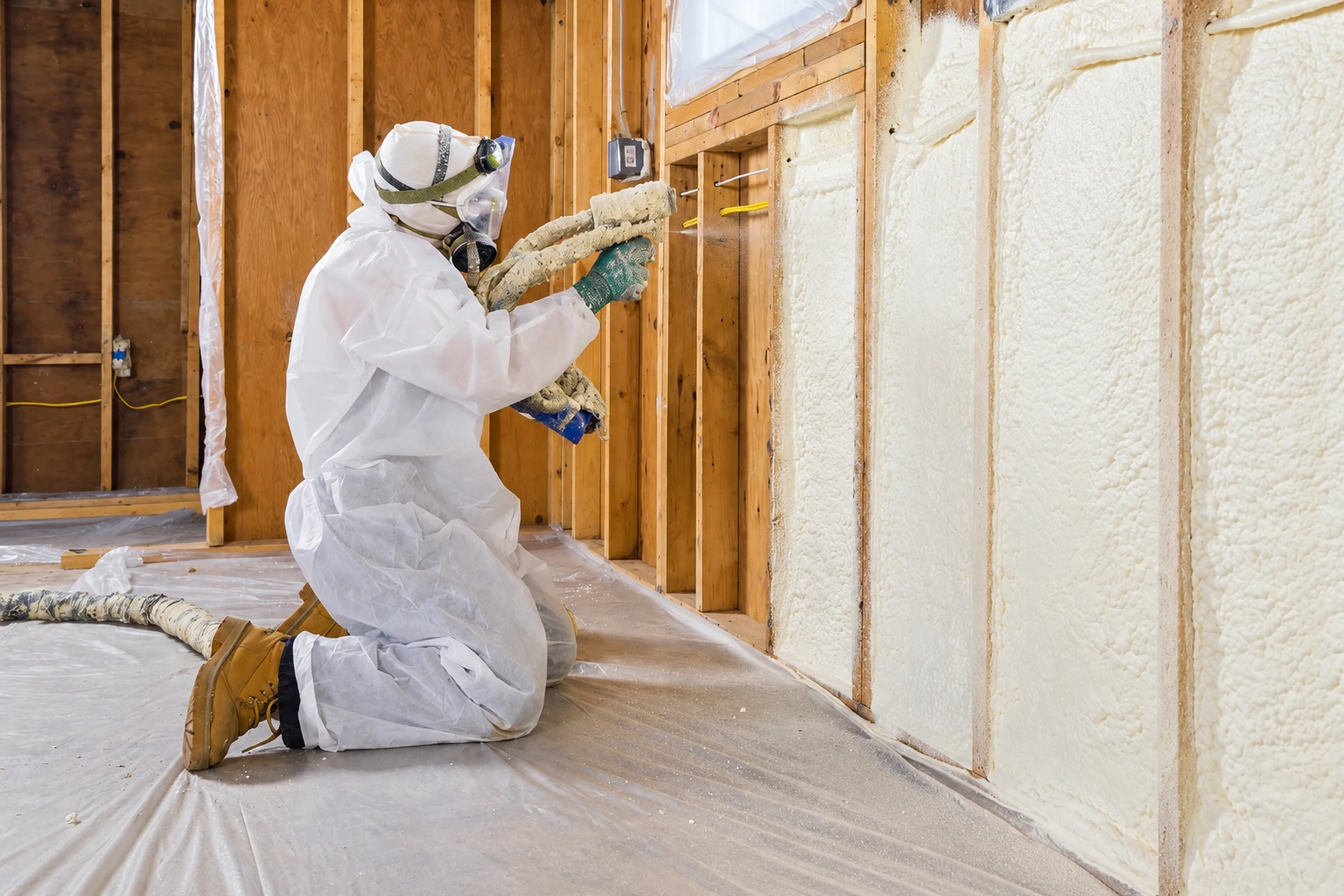
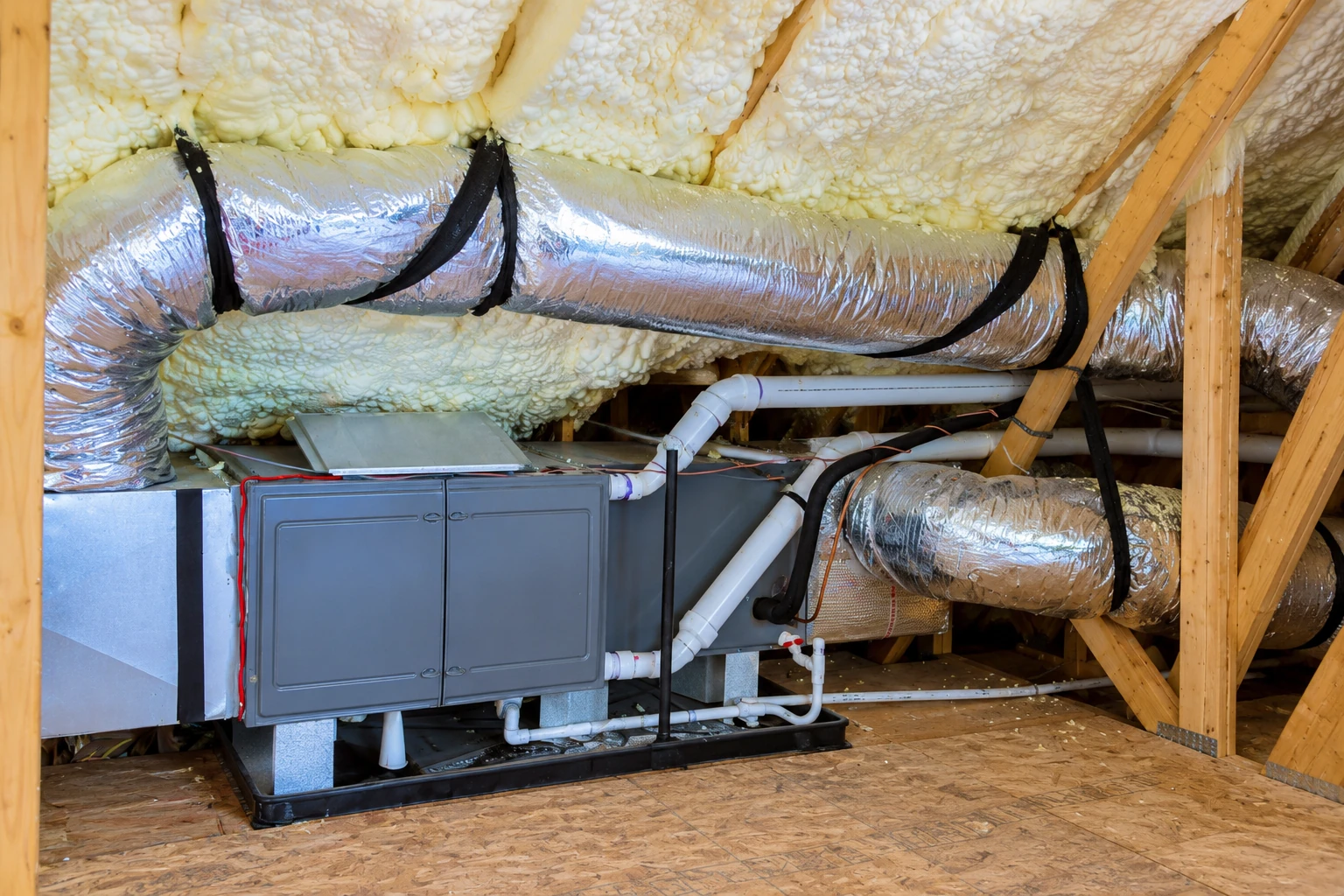
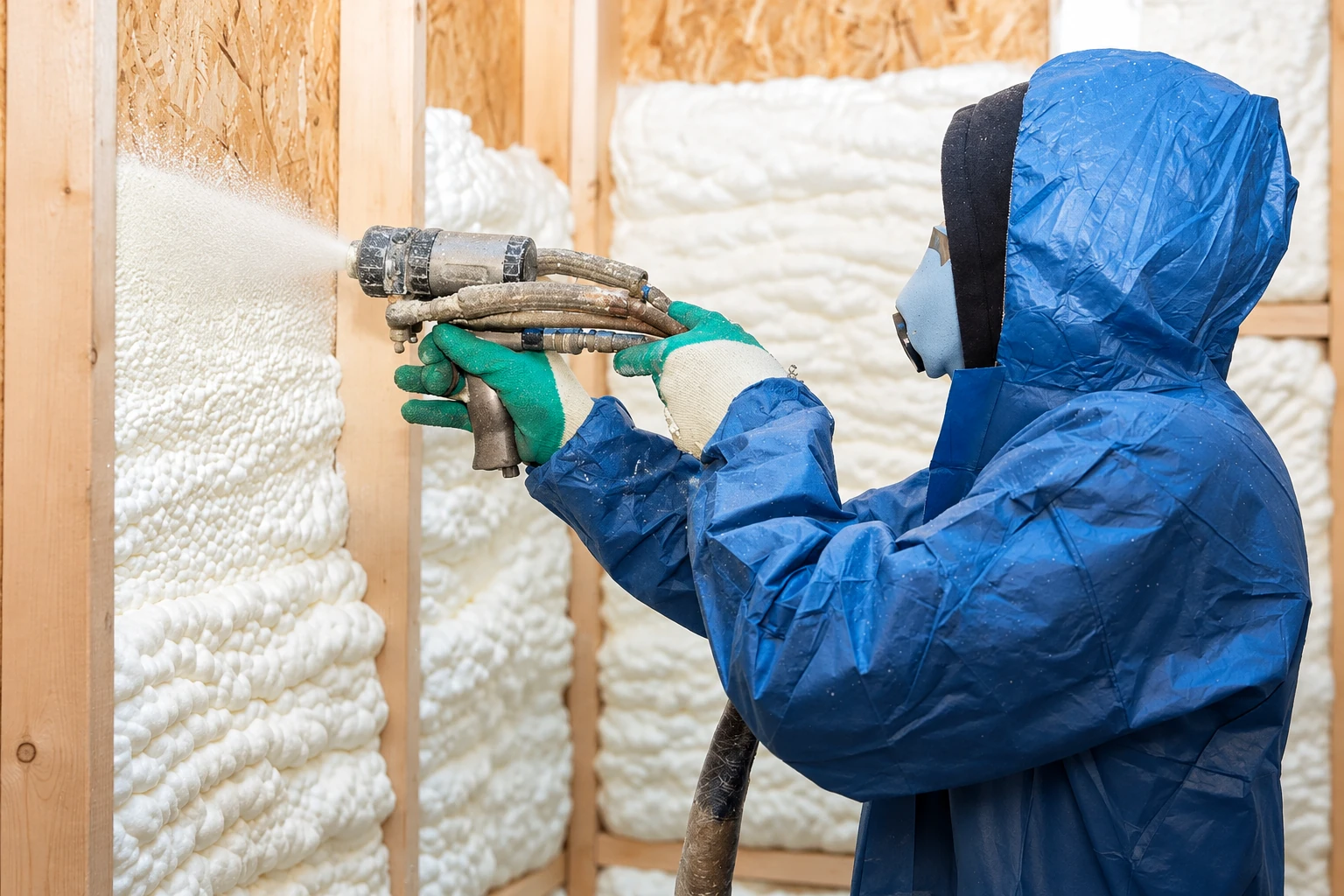
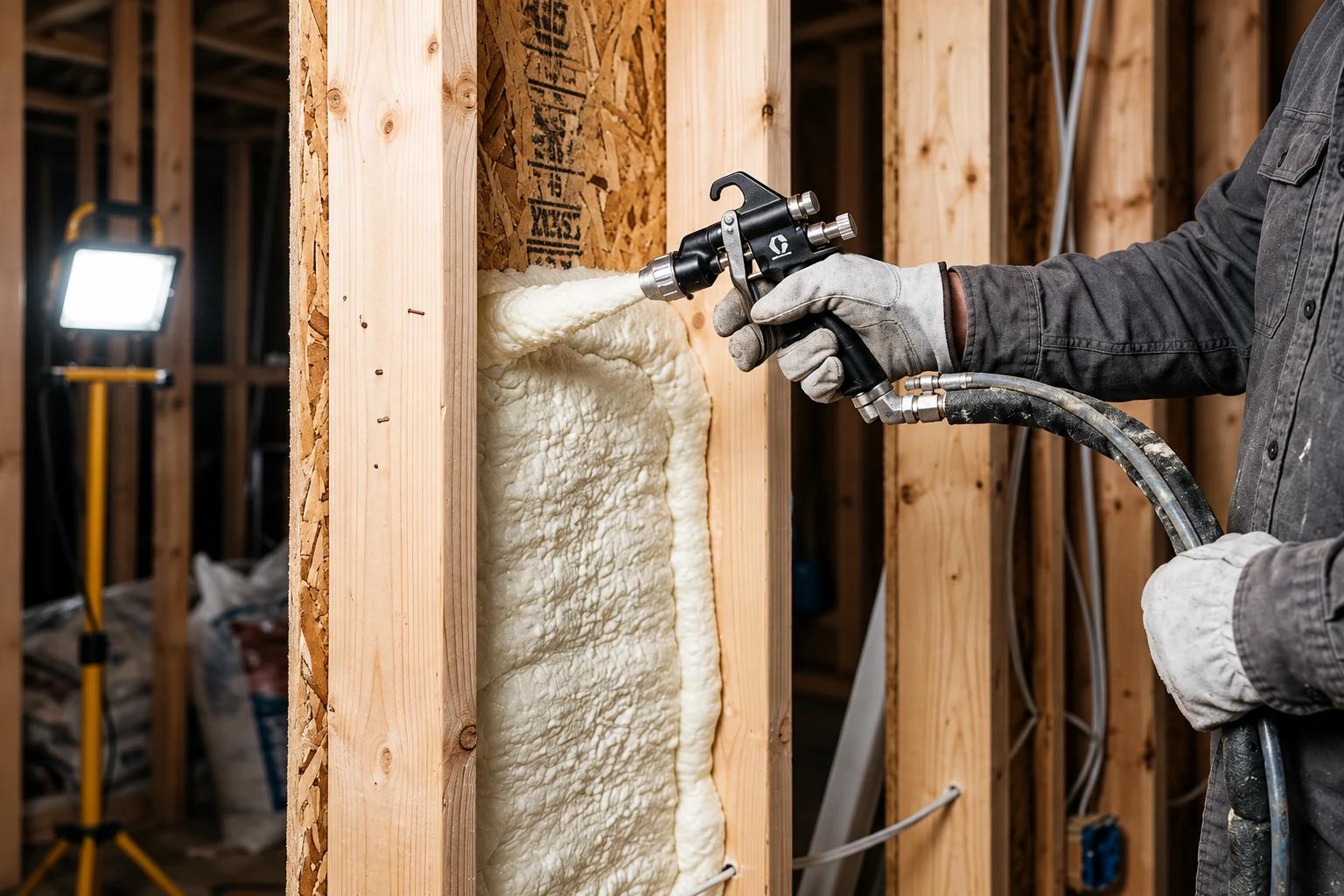
Price comes down to how big the space is, how easy it is to get into and what's already up there. If old insulation has to come out first, that adds labor and haul-away, and a low, cramped attic slows the crew down. Material matters most. Spray foam insulation costs more and seals air while it insulates, but sealing the gaps and topping up with blown-in, loose fill blown through a hose, usually wins unless your ductwork runs through the attic. The schedule turns on removal and, when the job needs one, the permit. I'll look at your house on site and give you your own number.