
On our jobs in San Martin, the houses sit farther apart, on bigger lots with long driveways, garages and shops out back, and vineyards running up toward the eastern foothills. We see a lot of single-story ranch houses with wide, low attics, plenty of rooms built over a garage, and newer homes mixed in. As an insulation contractor based in Hollister, we do the same work in Gilroy and in Salinas.
That spread shapes the job. A wide ranch attic has a lot of edge along the eaves, and the corners down there are where nobody wants to crawl, which is usually why the insulation is thin there and the vents are buried. An older house also tends to have a few inches of tired insulation over gaps nobody ever sealed.
What moves the price and the schedule
Price comes down to how big the attic or crawl space is, how hard it is to get into, and what's already up there. If the old insulation is soaked or full of droppings, it comes out first, because new material on top just buries the problem, and that adds cost and time. Foam costs more than loose fill. The schedule mostly turns on whether there's removal, how much sealing the house needs and whether the job calls for a permit. When I come out, I measure, look at what's there and give you your own number instead of a guess.
Sealing first, then foam or blown-in
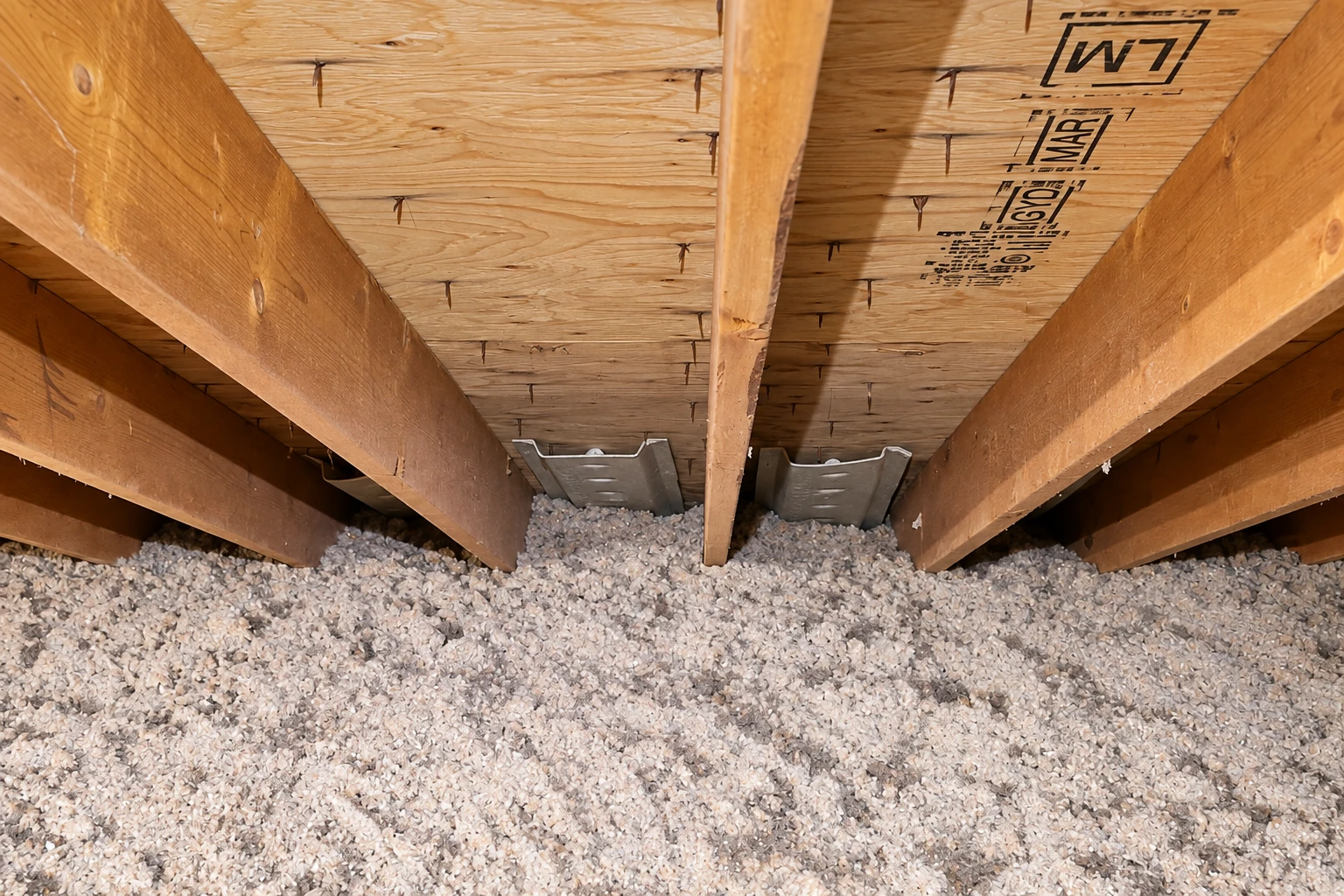
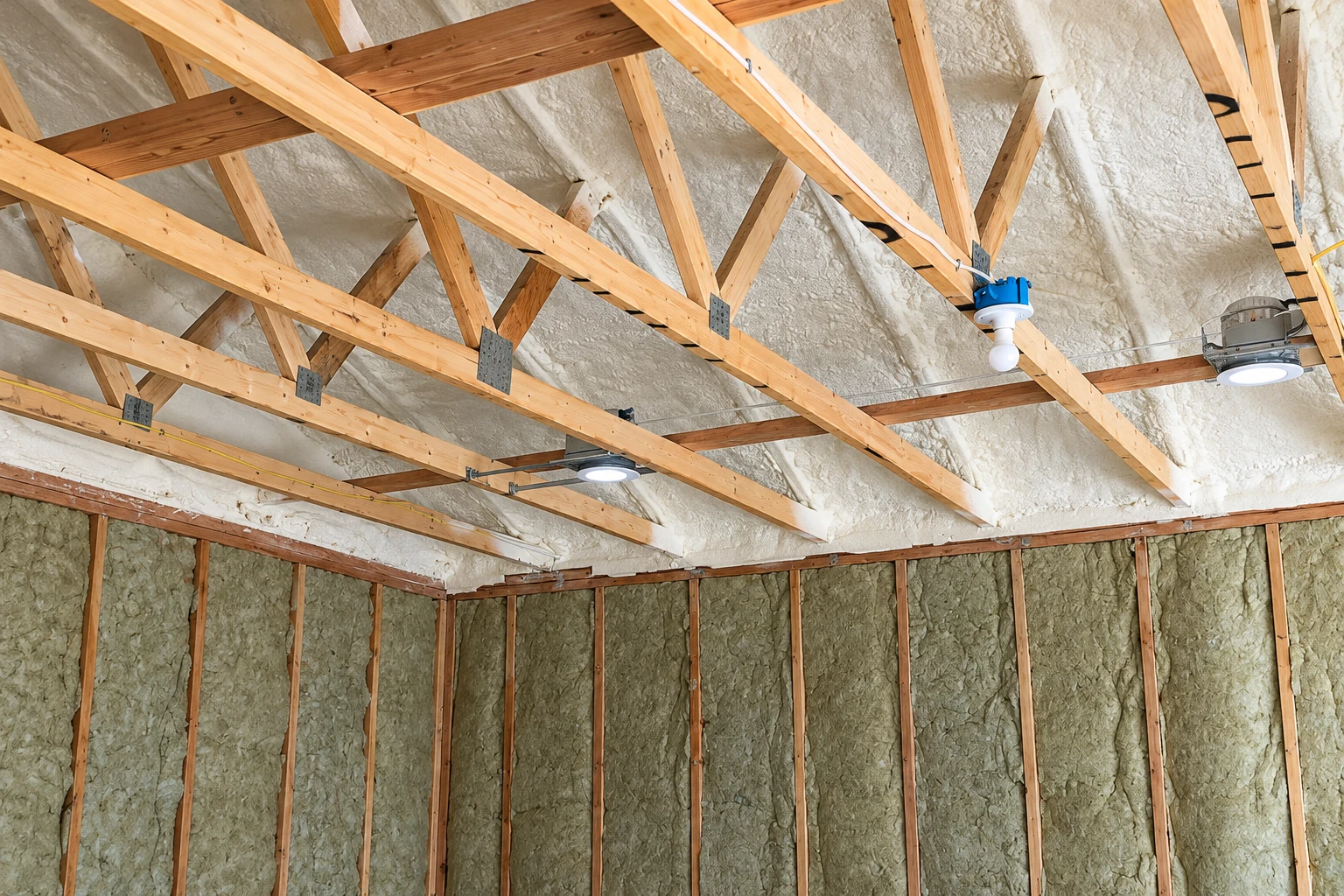
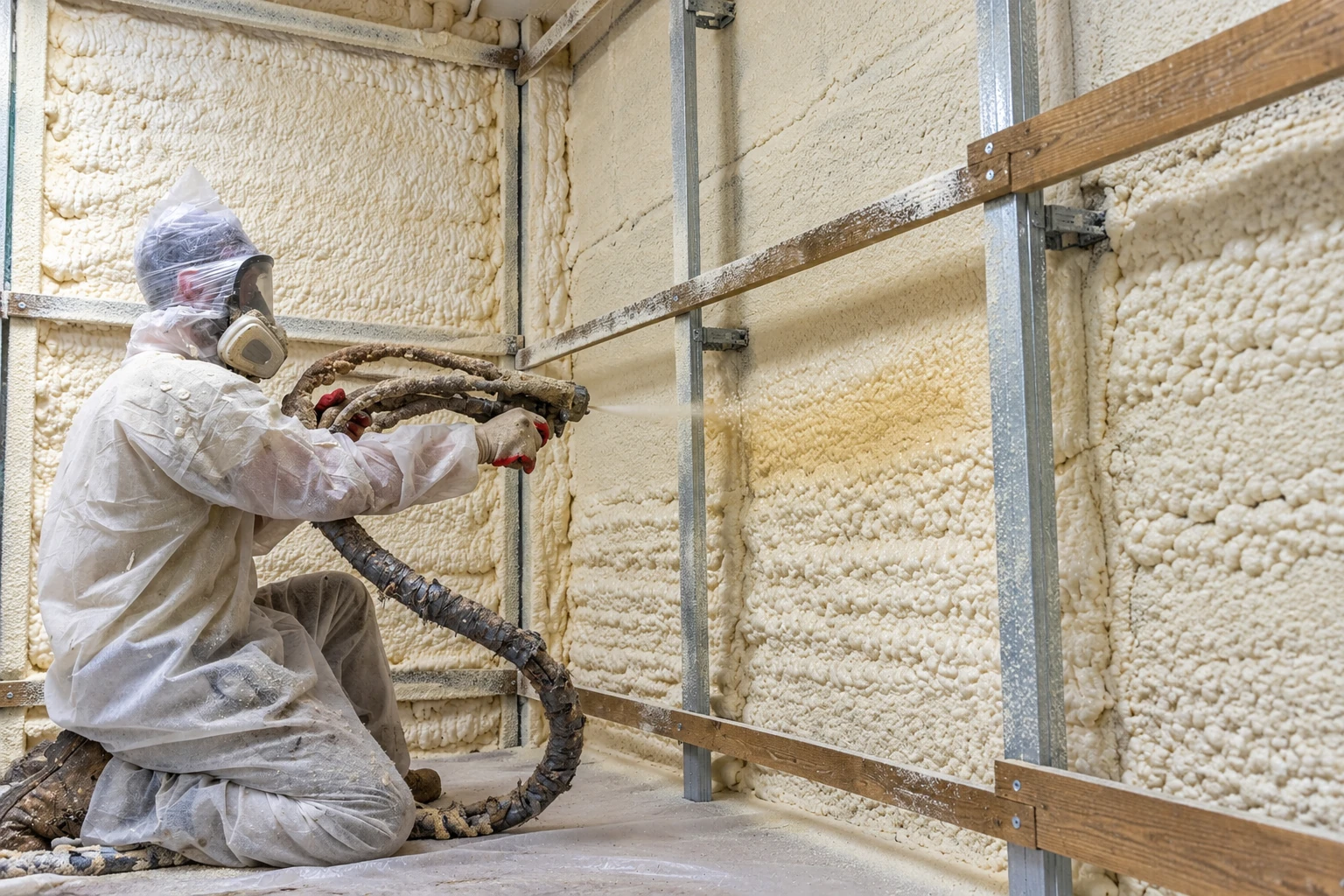
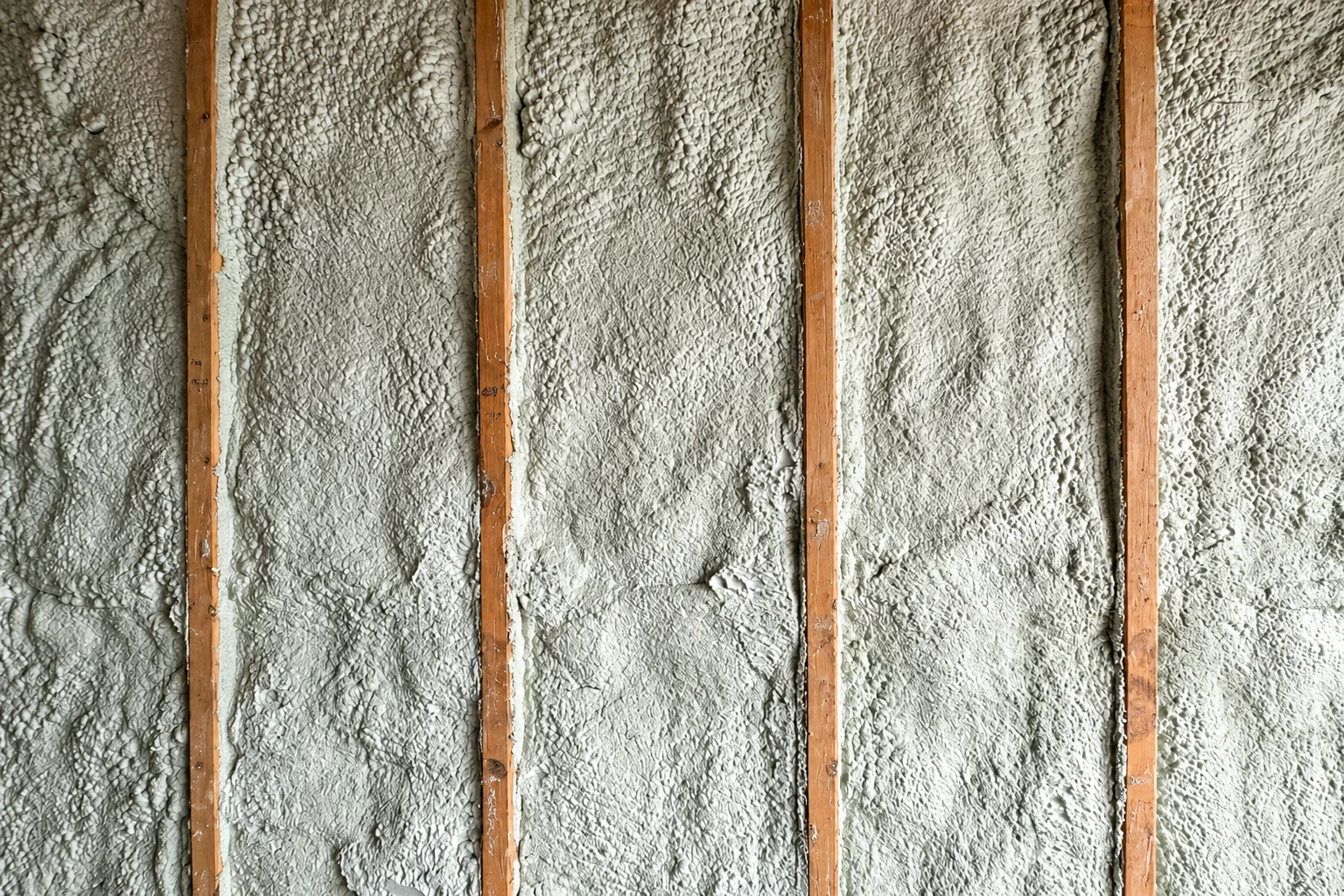
Most of what we fix in older houses is moving air, not a shortage of insulation. Gaps around can lights, plumbing and the attic hatch let air push straight through whatever's piled on top, so we close those before anything else goes in. That's air sealing. Then it's usually a choice between spray foam, which costs more but seals and insulates in one pass, and blown-in insulation, which is loose fill blown through a hose. On a ranch house, sealing the gaps and topping up loose fill usually wins. If the ductwork runs through the attic, foam starts earning its price.
What happens before the crew shows up
I come out to look at the job myself, up in the attic and down in the crawl space if the house has one. Permit rules depend on where the house sits, so I check with the city or county building office for each address, and we handle the permit when the job calls for one. Before install day, it helps to clear a path to the hatch, whether it's in a hallway closet or the garage, and to keep pets out of the way. Our crew does the install, and I check the work before we call it done.