
Prunedale doesn't have a city hall of its own. It's unincorporated North County land, so the County of Monterey is the local government here. On our jobs out here we see homes spread out on bigger lots across the hills, a good share of them a few decades old, and plenty of backyards that run straight into coastal sage scrub and chaparral instead of a neighbor's fence.
We're an insulation contractor based in Hollister, CA, and we do the same work up in Morgan Hill and over in Salinas. In Prunedale the job usually comes down to an attic that cooks in summer and, on a lot of houses sitting on raised floors, a crawl space that stays damp through winter.
What sets your price and your schedule
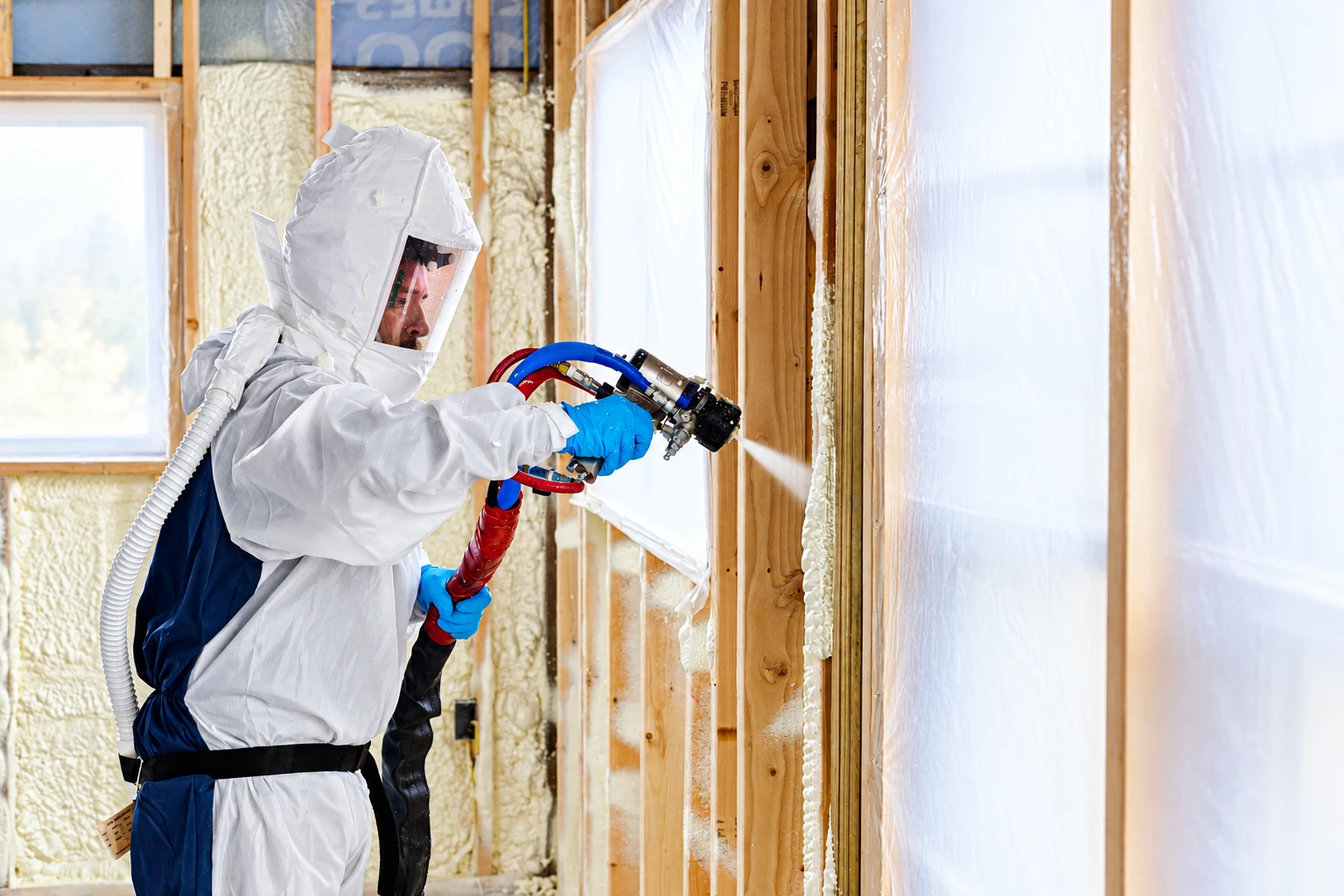
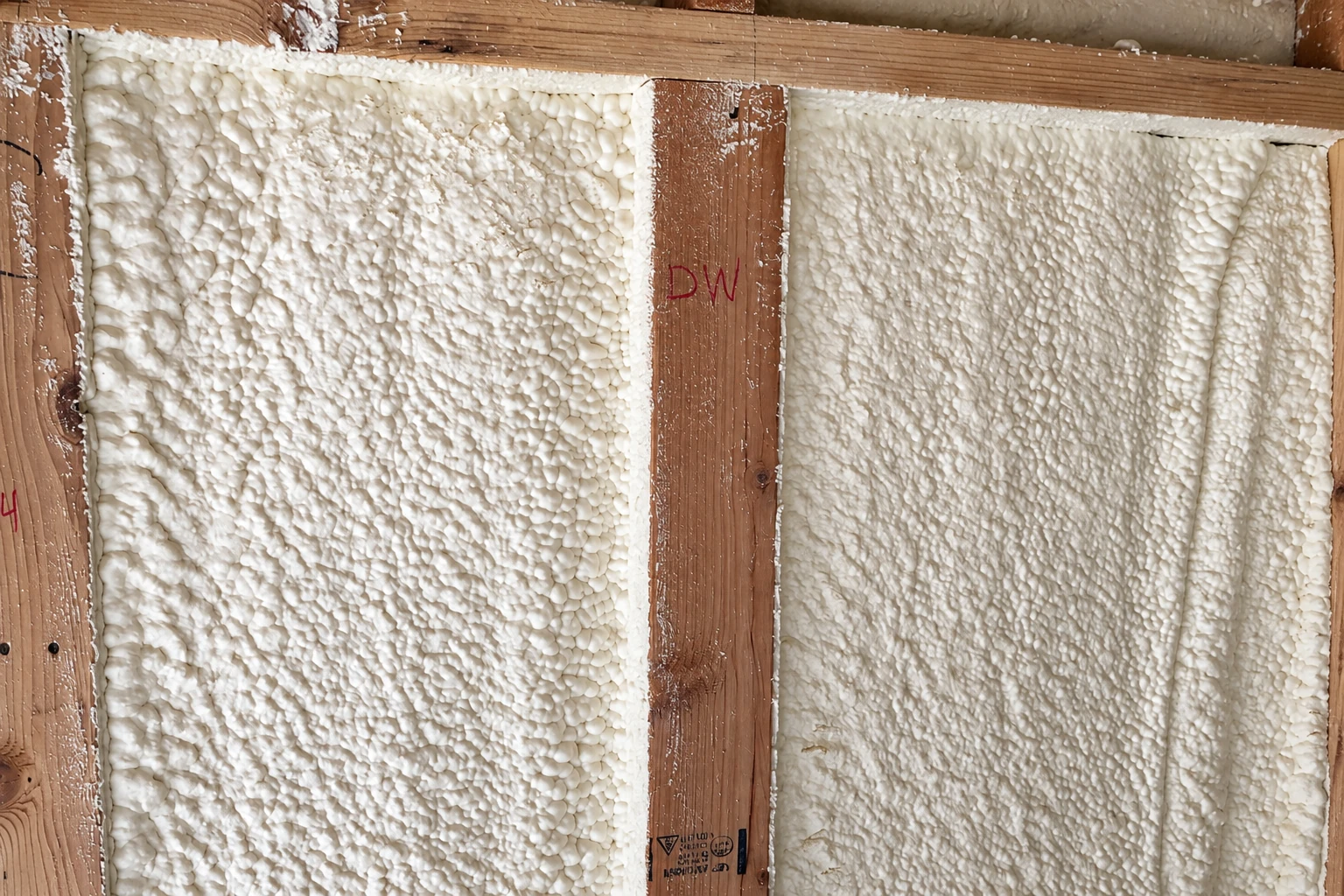
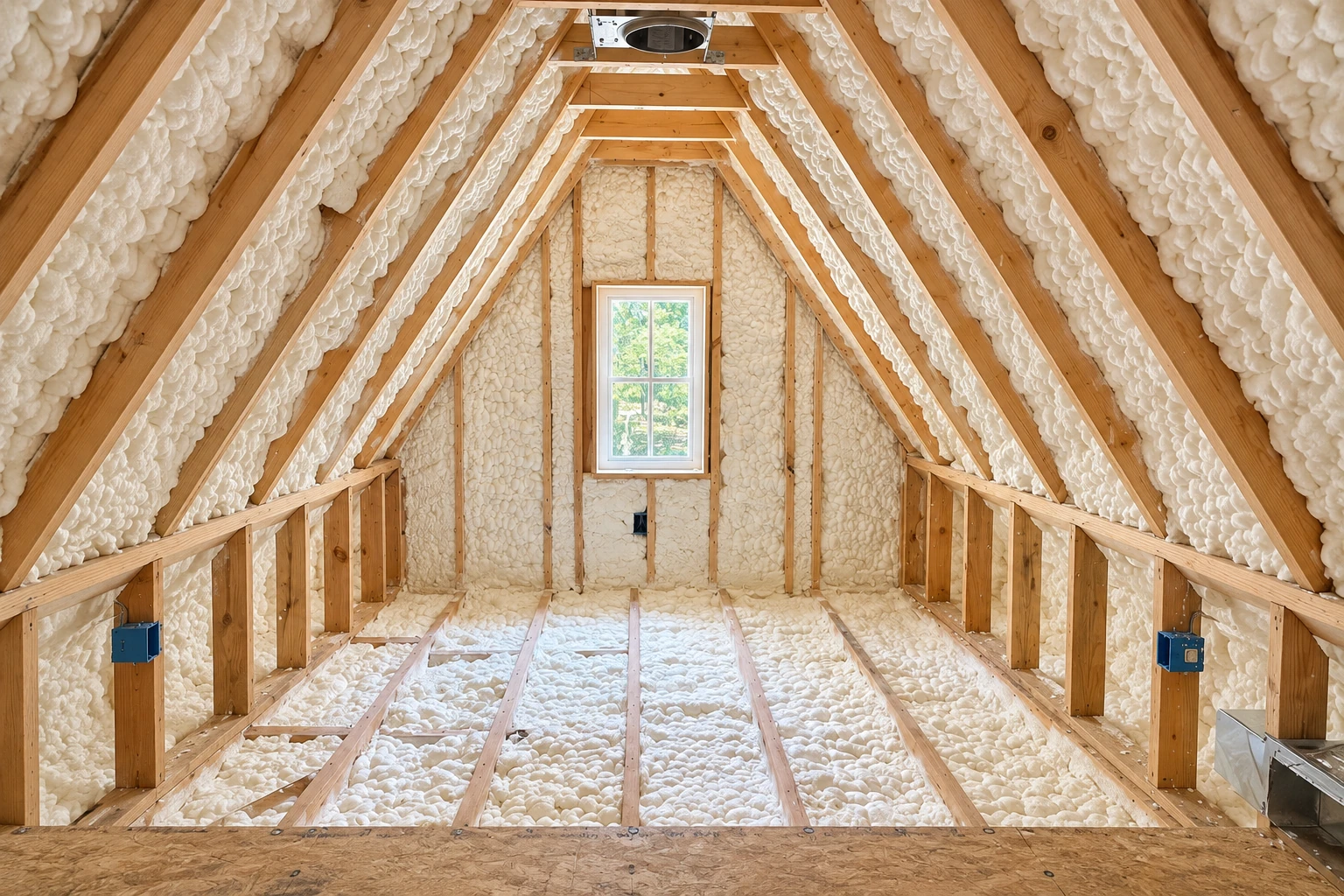
Your price mostly comes down to what's already in the attic and what has to happen before anything new goes in. If the old insulation is soaked or full of droppings, it comes out first, because fresh material on top just buries the problem. Foam costs more than loose fill, a tight attic takes longer to work in than a roomy one, and an older house usually has more gaps to seal. The schedule turns on the same things, plus whether you'll need to be out of the house while we spray. I come out and look before I give you a number, so it's your attic I'm pricing, not a guess.
Crawl spaces and the wet months
Most of the rain around here falls between October and April, and summers stay close to dry. Winter is when a crawl space shows its problems, with damp dirt, a musty smell and cold floors in the rooms above. Before we put in crawl space insulation, I want to see the ground and the framing, because insulation pressed against wet wood holds the moisture right where it does damage. Sometimes the right first step is a vapor barrier over the dirt, and sometimes it's a drainage fix that isn't our trade at all. I'd rather tell you that than insulate over it.
What we check in the attic first
Houses backed up to brush and open hillside get visitors, and the old attic insulation is often where the mice have been living rent-free. We look for that first, along with gaps around can lights, pipes and the attic hatch, and eave vents that earlier work already buried, since new insulation over any of it just hides the trouble. Then we do the air sealing, closing those gaps so the new insulation isn't fighting a draft, keep the eave vents open so the attic can breathe, and spread the material evenly out to the edges, where attics usually come up thin. I check the work before we call it done.