
Gilroy is a short drive from our base in Hollister, and the calls we get there sound like the ones at home. Hot upstairs bedrooms, a room over the garage nobody wants to sit in, cold floors over a crawl space and a power bill that keeps climbing. We do the same work up the road in San Martin and Morgan Hill, and I come out to look at every job myself before we put a number on it.
The ground is the part people don't think about. The city treats Gilroy's soil as expansive, the kind that swells when it's wet and shrinks as it dries, and over the years that movement can open gaps along the bottom of a house. So on crawl space jobs we look at the vents, the framing and those gaps before we talk about insulation.
What moves the price and the schedule
The price comes down to what's already up there and how easy it is to reach. A clean attic with a few inches of old insulation and a decent hatch is a top-up. Old material that got soaked or filled with droppings has to come out first, and that adds cost and time. The number of gaps to seal, the age of the house and whether ductwork runs through the attic all move it too. The schedule mostly turns on removal and access. I come out, look, and give you your own figure instead of a guess over the phone.
What we do before insulation goes in
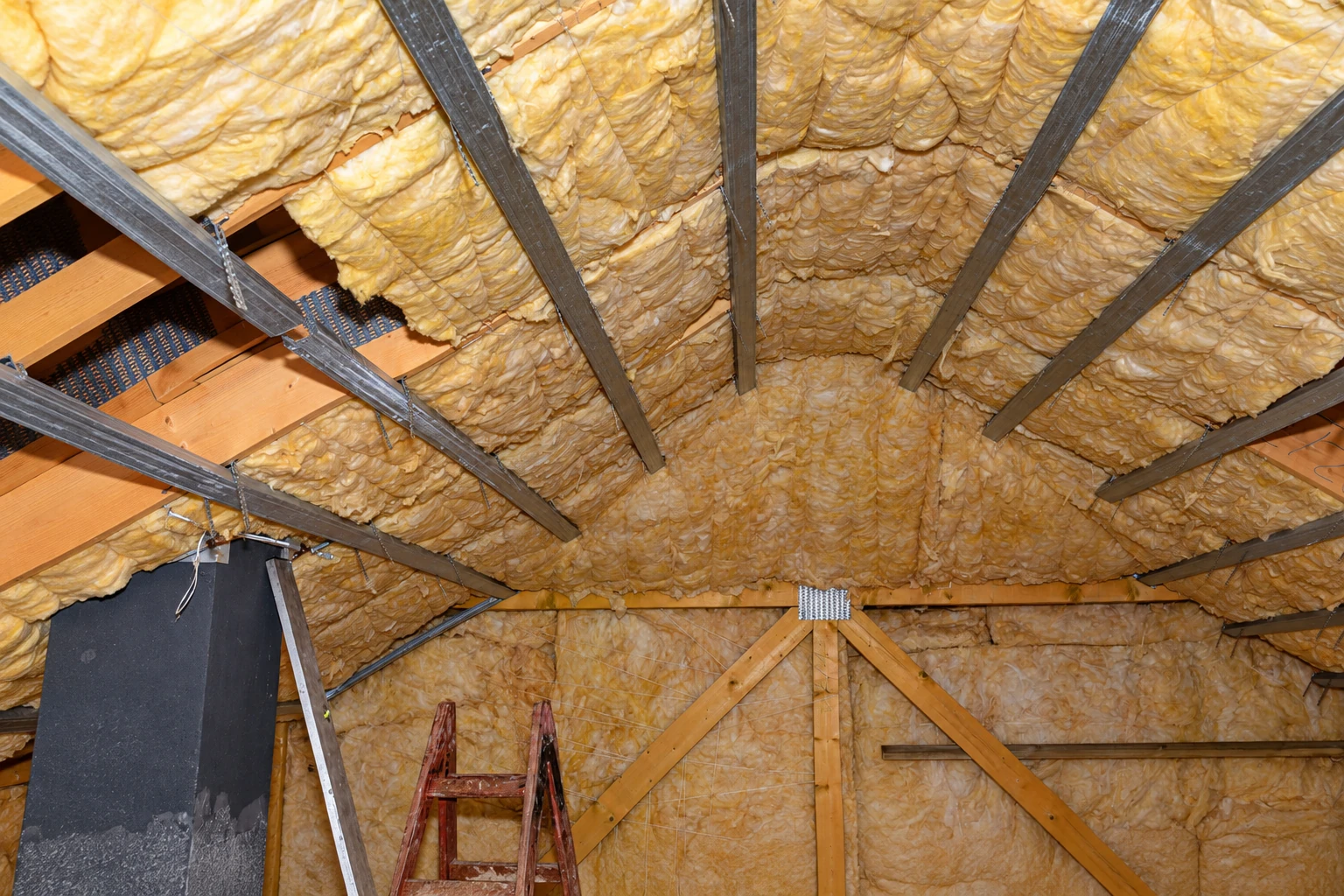
Most of the work on an attic insulation job happens before the new material shows up. Some attics we open look like a raccoon held a lease, and that all comes out first. We seal the gaps around can lights, pipes and the hatch, because insulation laid over a draft just fights it. We keep the eave vents clear so the attic can still breathe, since buried vents trap moisture in the framing. Then we lay it full depth out to the edges, where rushed jobs usually go thin. I check all of that before we call it done, so a clear path to your hatch helps.
Spray foam or sealing and blown-in
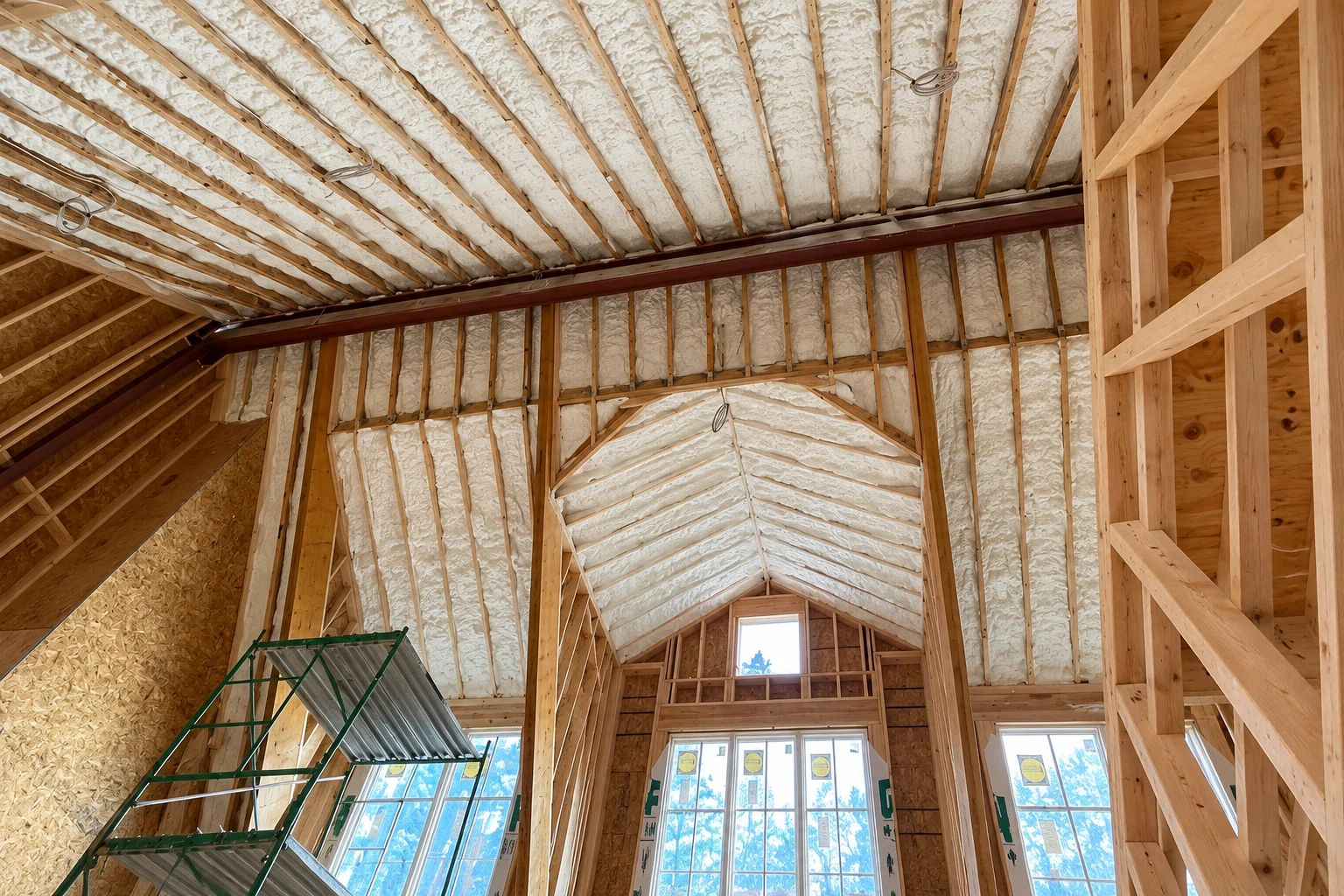
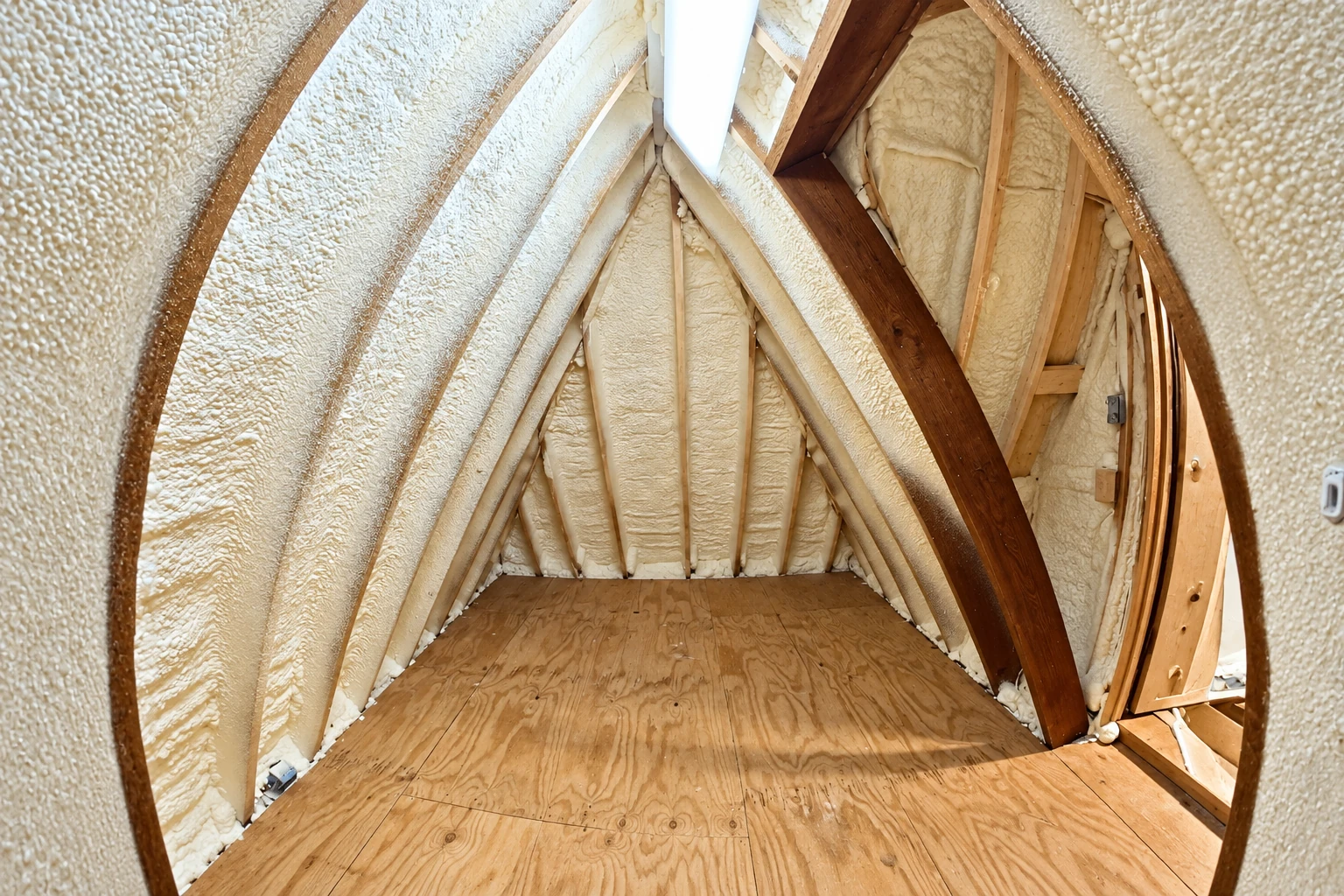
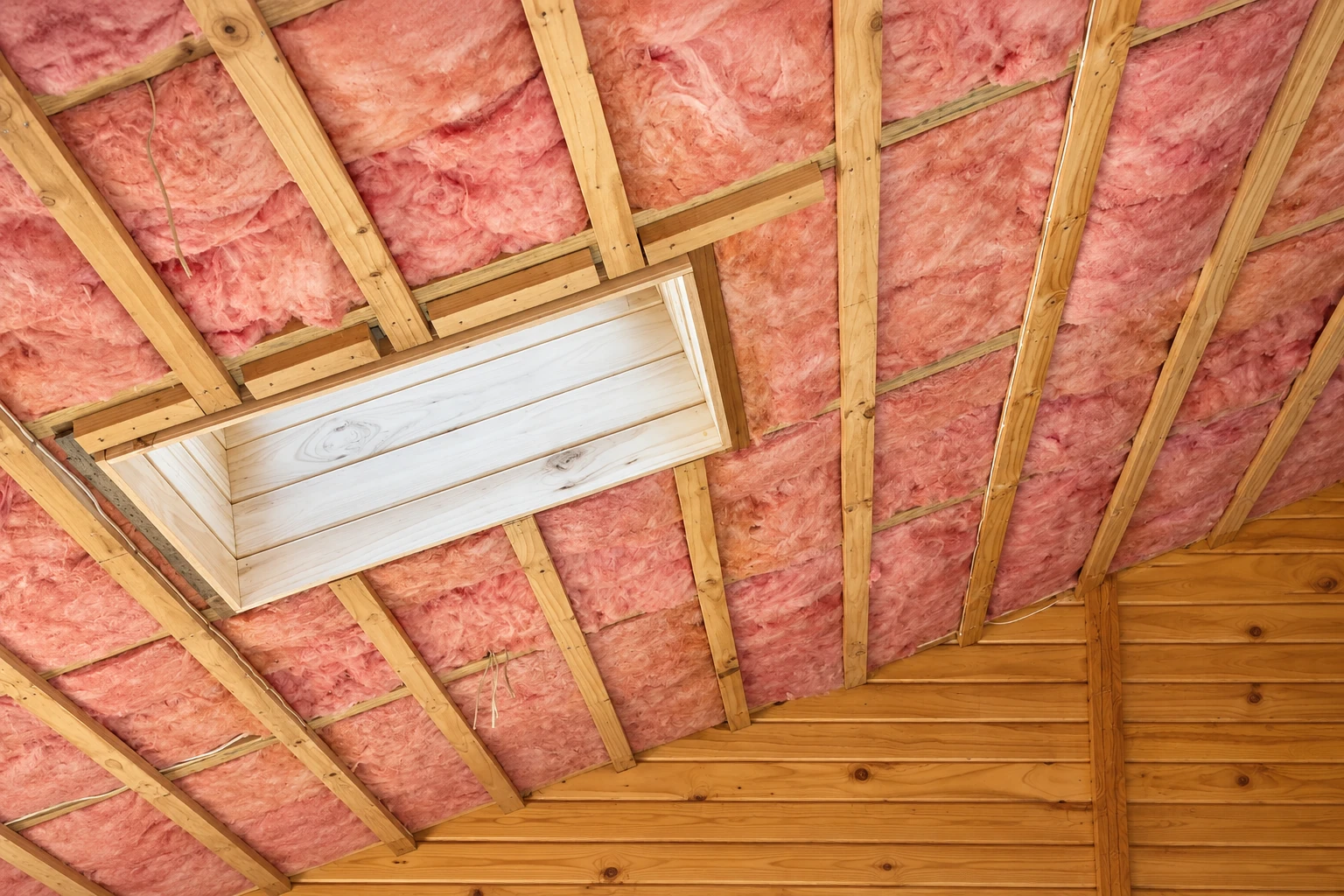
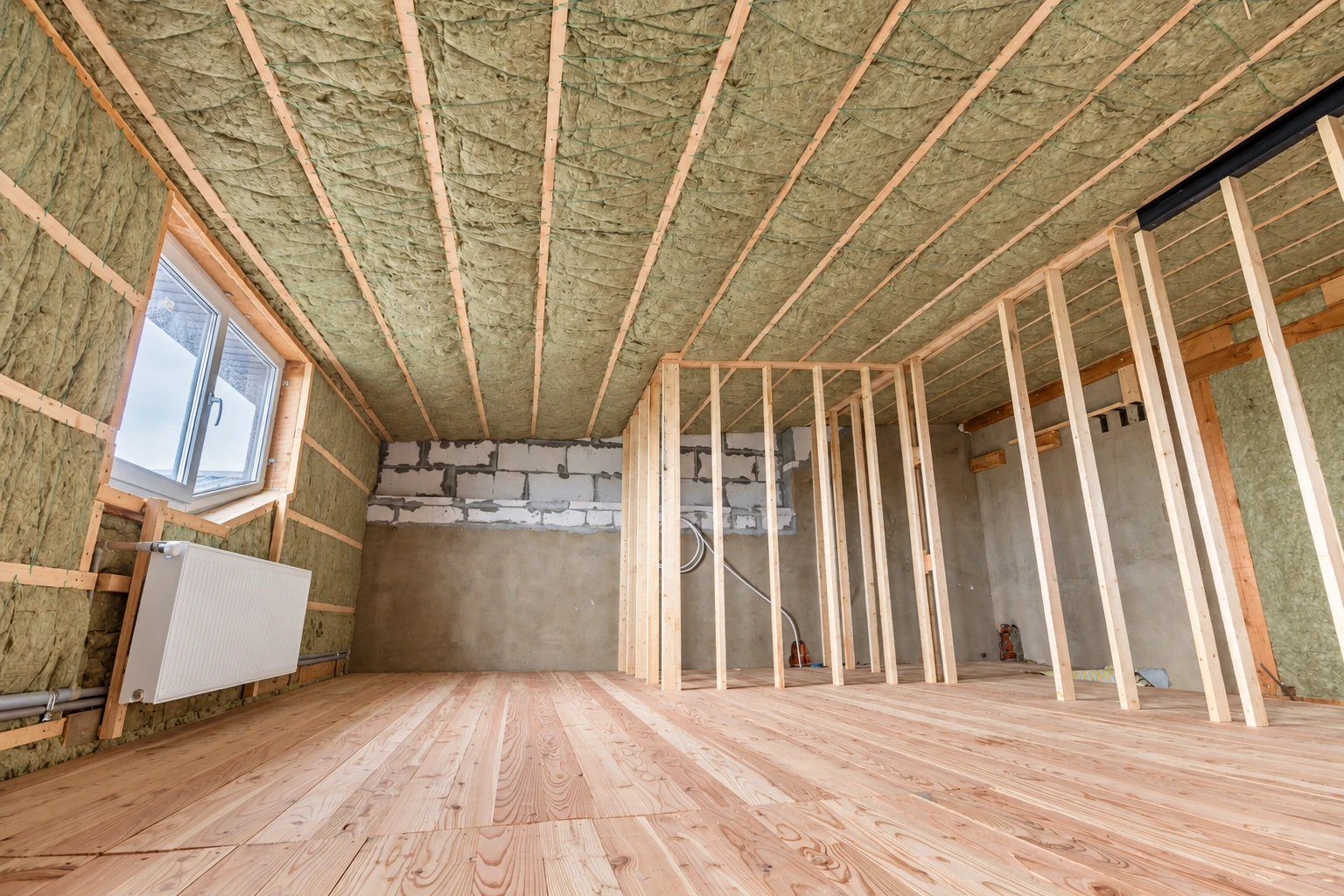
Spray foam costs more and seals air while it insulates. For most Gilroy attics I'd rather do air sealing, which closes the gaps, then top up with blown-in, loose fill blown through a hose, because that usually wins on cost. The exception is when your ductwork lives in the attic, where foam can be worth the money. Foam also means everyone leaves the house while we spray. Before you book, I'll give you the re-entry time, when you, the kids and the pets can come back, from the foam maker's instructions.